Category: Pharmacy - Page 2
Recent Advances in Bioequivalence Testing: How AI and New Tech Are Changing Generic Drug Approval
AI, virtual models, and advanced imaging are transforming bioequivalence testing, cutting study times by half and reducing costs. Learn how the FDA and global regulators are adopting new tech to speed up generic drug approvals while ensuring safety.
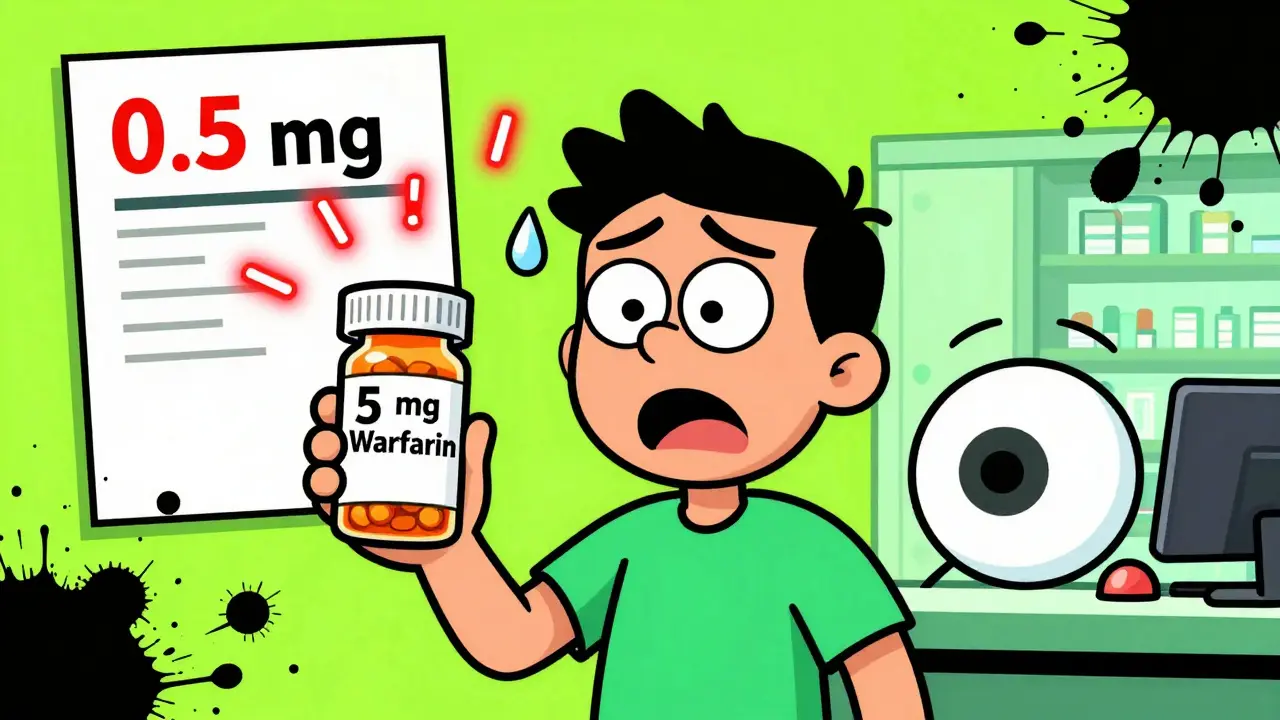
How to Spot a Pharmacy Labeling Error Before Taking a Medication
Learn how to catch pharmacy labeling errors before taking your medication. Know what to check on the label, spot dangerous drug name mix-ups, and use simple steps to prevent life-threatening mistakes.
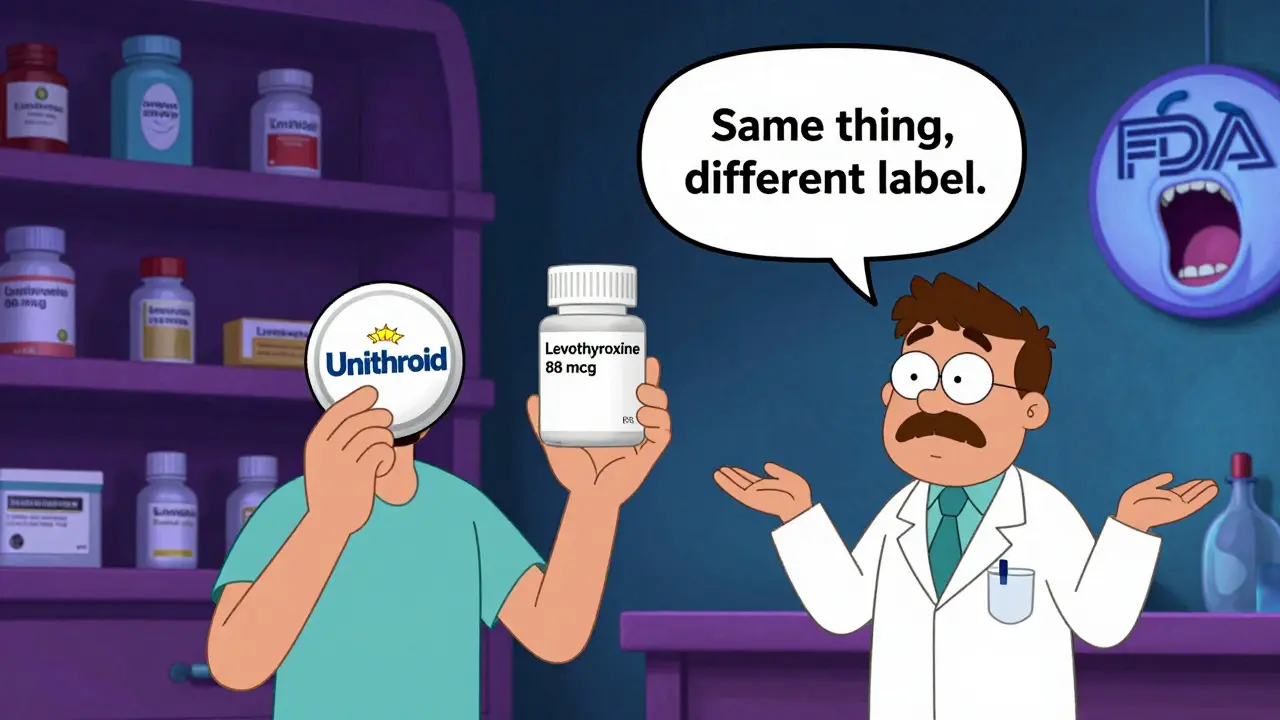
What Are Authorized Generics? A Complete, No-Fluff Explanation
Authorized generics are identical to brand-name drugs but sold without the brand label. They offer the same effectiveness with lower cost-perfect for patients who need consistency. Here's how they work, why they exist, and when to choose them.
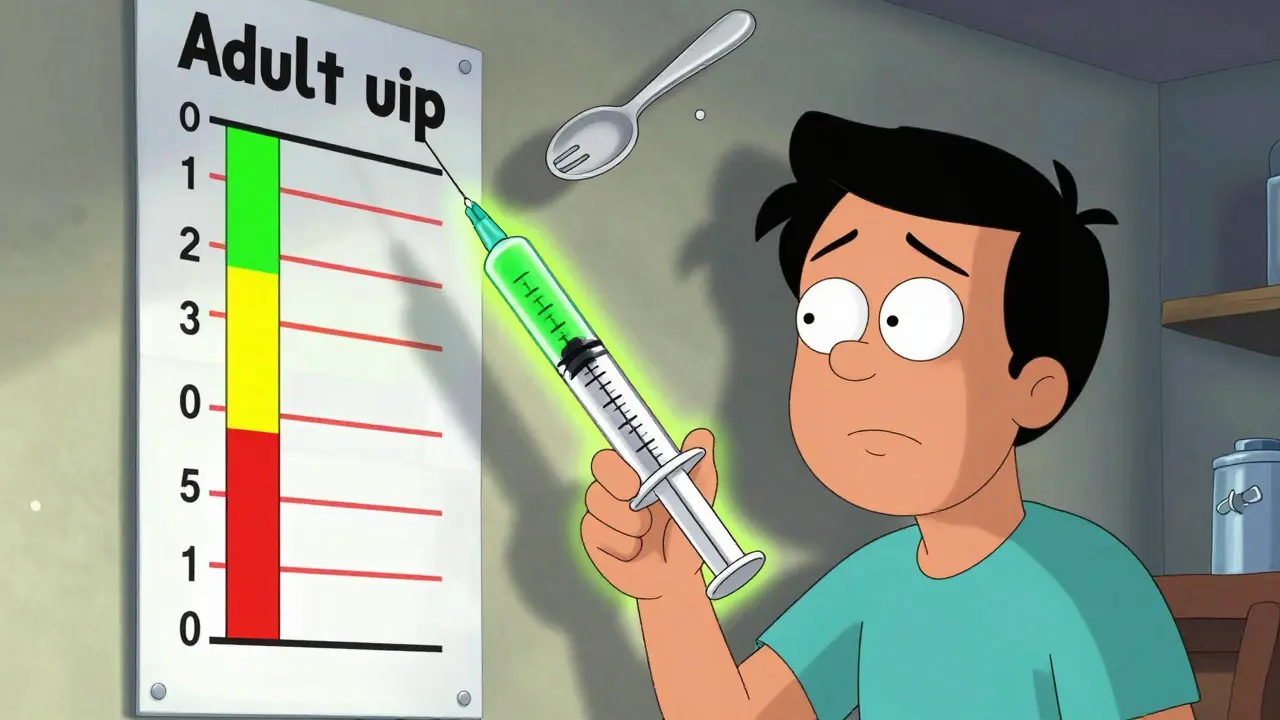
Visual Dosing Aids: Syringes, Droppers, and Measuring Tools for Safer Medication Use
Visual dosing aids like syringes, droppers, and measuring cups reduce medication errors by making doses easy to see and measure. Used in homes and hospitals, they save lives by eliminating guesswork in liquid medicine administration.
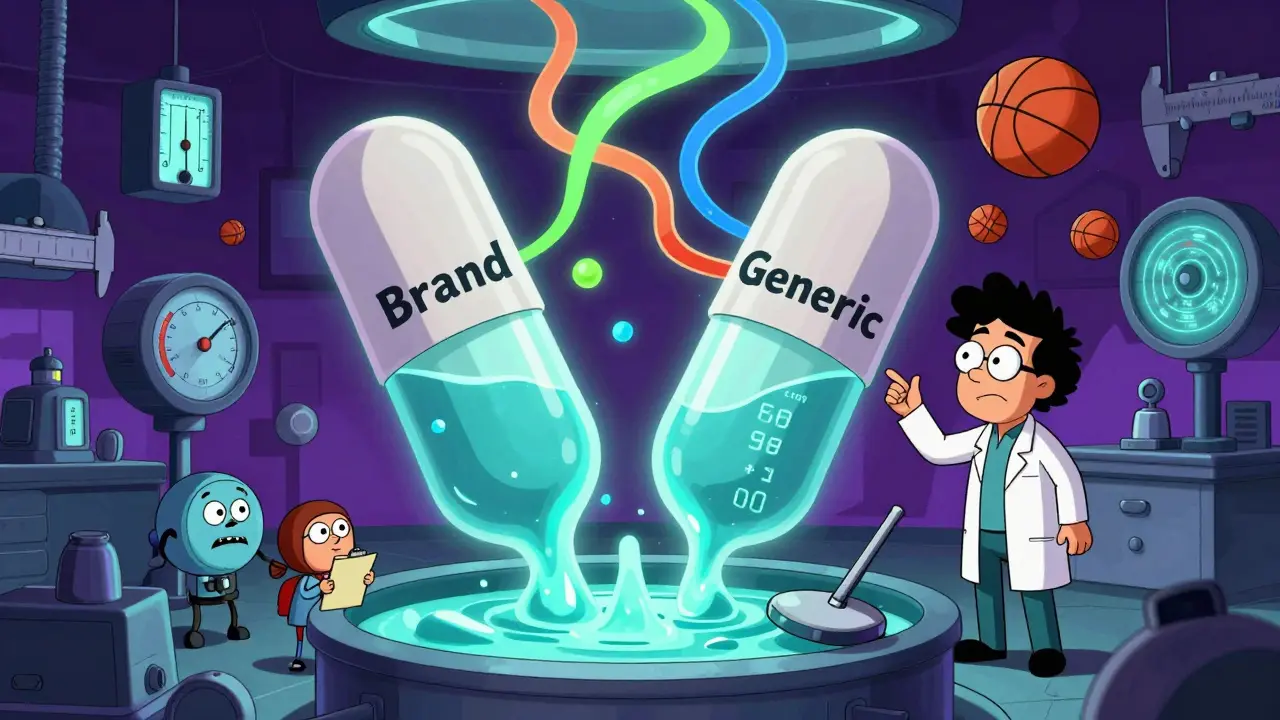
How to Compare Dissolution Profiles and What They Mean for Generic Drugs
Learn how dissolution profiles are used to prove generic drugs work like brand-name versions. Understand the f2 factor, regulatory standards, and why this test saves time and money without compromising safety.

How to Avoid Transcription Errors from E-Prescribing Systems
Transcription errors in e-prescribing systems are causing preventable medication mistakes. Learn the 6 proven strategies to stop them-standardized sigs, CancelRx, FHIR integration, and more-backed by real data from U.S. clinics and pharmacies.
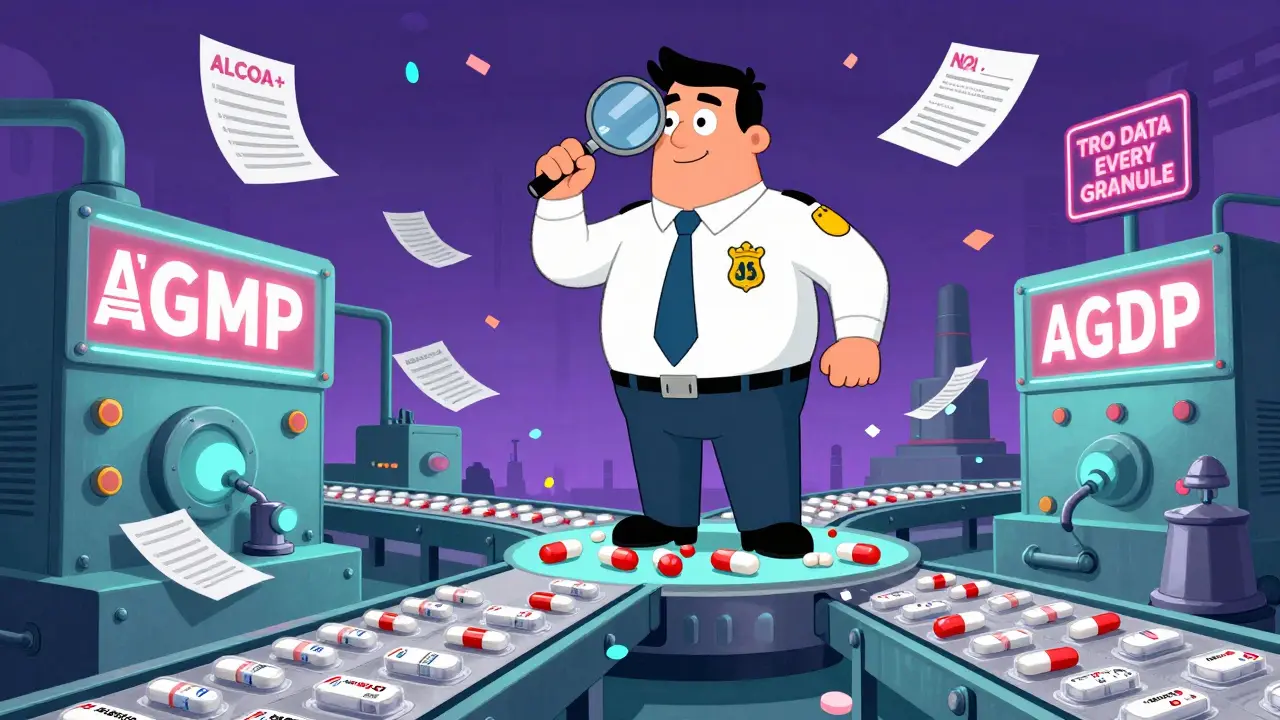
How FDA Ensures Generic Drug Quality During Manufacturing
The FDA ensures generic drug quality through strict cGMP standards, unannounced inspections, and rigorous testing. Every generic drug must match the brand-name version in safety, strength, and effectiveness - not by luck, but by design.

Injectable Medication Shortages: Why Hospital Pharmacies Are on the Front Line
Hospital pharmacies are bearing the brunt of a growing crisis: sterile injectable drug shortages. With 226 active shortages in mid-2025, critical medications like anesthetics and chemotherapy drugs are vanishing - forcing staff to make impossible choices and delay life-saving treatments.
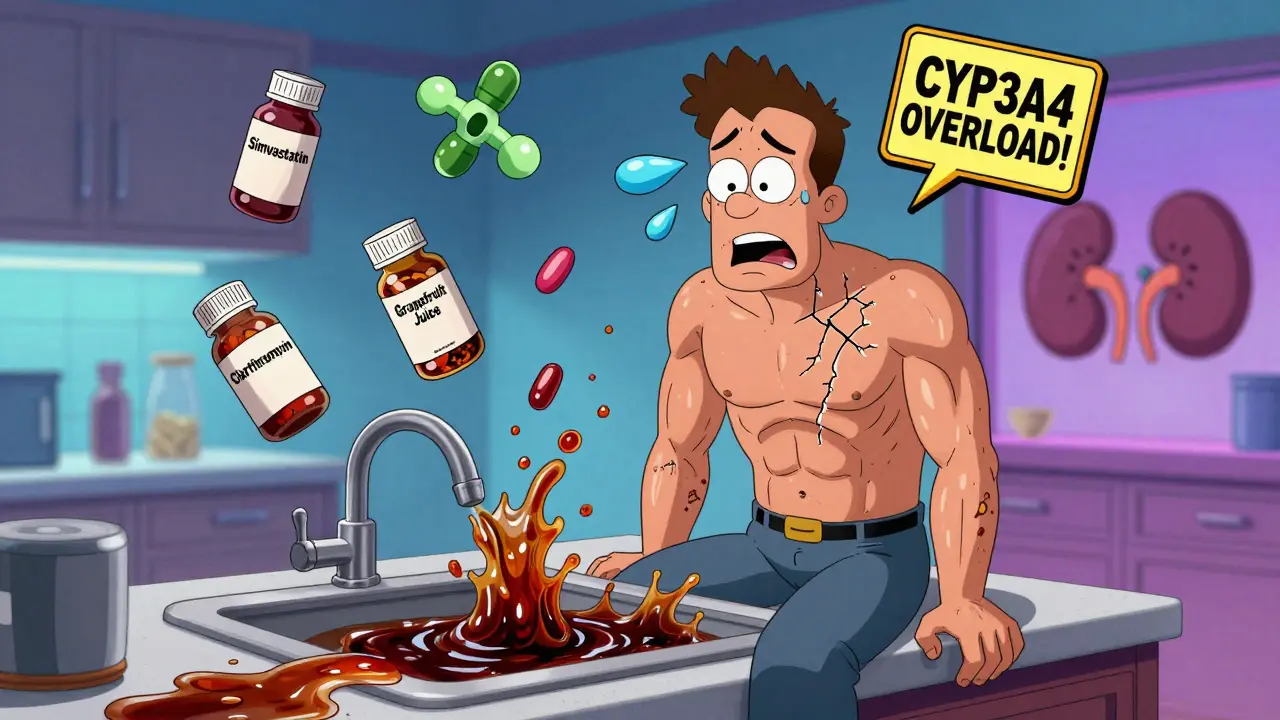
Rhabdomyolysis from Medication Interactions: How Common Drugs Can Cause Muscle Breakdown
Rhabdomyolysis from medication interactions is a silent threat - often missed until kidneys fail. Statins, antibiotics, and common combos can trigger muscle breakdown. Know the signs, ask the right questions, and protect yourself.
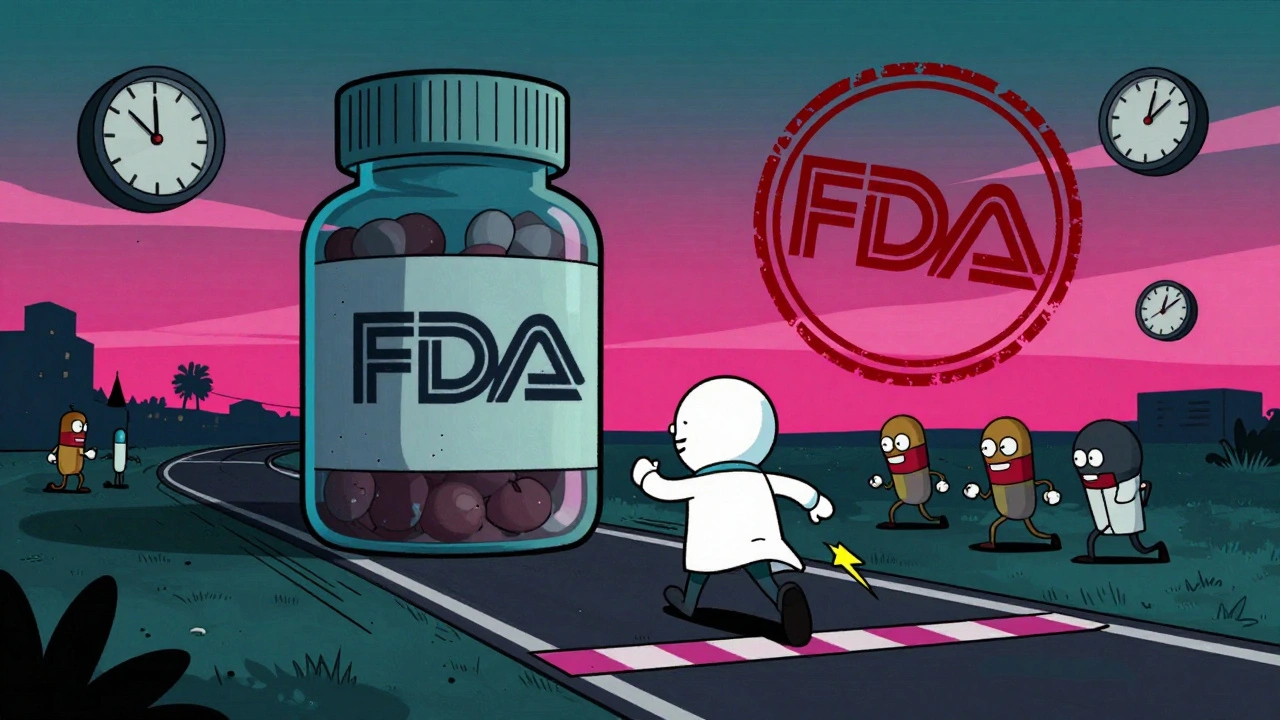
First-Mover Advantage: How Generic Drug Makers Win Big by Launching First
The first generic drug to hit the market after a patent expires captures up to 80% of sales during its 180-day exclusivity window-and often keeps 30-40% long after. Here’s why being first matters more than price.