When a brand-name drug loses its patent, it doesn’t just open the door for competition-it creates a race. And in the world of generic drugs, the first one across the finish line doesn’t just win a prize. It wins the market.
Why Being First Matters More Than You Think
The first generic manufacturer to launch a drug after a patent expires doesn’t just get a head start. They lock in market share for years. This isn’t guesswork-it’s built into U.S. law through the Hatch-Waxman Act of 1984. That law gave the first company to successfully challenge a brand drug’s patent 180 days of exclusive rights to sell their version. But here’s the twist: the real advantage lasts far longer than those six months. Most people think generics are all the same. If the active ingredient is identical, why does it matter who launches first? The answer lies in how healthcare actually works. Doctors prescribe what’s already on the shelf. Pharmacists stock one version per drug to save space and reduce errors. Patients stick with what they’re given. Once a generic is in use, switching is rare-even if another company offers the same pill at a lower price. Data shows the first generic typically captures 70-80% of the generic market during its 180-day exclusivity window. Even after competitors arrive, that first mover often keeps 30-40% of sales. Second entrants struggle to reach 15%. Later ones? They fight for scraps.The Hidden Engine Behind the Advantage
It’s not just about being first. It’s about how the system rewards that timing. Pharmacies don’t want to juggle five versions of the same pill. They pick one and stick with it. That’s called stocking inertia. It’s not about quality-it’s about logistics. Once a pharmacy’s system is set up to dispense Generic A, switching to Generic B means retraining staff, updating software, and risking errors. That’s a cost most won’t pay unless forced. Doctors follow suit. If a patient is doing well on Generic A, the doctor isn’t going to switch them unless there’s a price drop so big it’s impossible to ignore. And even then, patients often resist. Chronic disease patients-those on blood pressure meds, diabetes drugs, or cholesterol pills-take these for life. They don’t want to change what works. This creates what experts call ‘path dependency.’ The first mover doesn’t just get a head start. They build a system around themselves that’s hard to dislodge. Even after prices drop across the board, the first generic still gets paid more because it’s the default.Who Wins the Most-and Why
Not all first movers are equal. The biggest gains go to large, experienced generic manufacturers. McKinsey found that big pharma companies launching first capture over 10 percentage points more market share than smaller players. Why? They have the resources to move fast and stay ahead. They’ve already built relationships with active pharmaceutical ingredient (API) suppliers. They know how to navigate FDA inspections. They’ve done this before. A company without therapeutic area experience? They’re lucky to get half the advantage of a seasoned player. The type of drug also matters. Injectables and inhalers? Huge first-mover edge. These are complex to make. Fewer companies can do it. That means less competition. First movers in these categories hold 15-20 percentage points more market share than in simple pills. In contrast, a common oral tablet like metformin? Dozens of companies can make it. The advantage shrinks fast. If the second generic arrives within a year, the first mover’s edge evaporates. But if there’s a three-year gap? That first company owns the market. Domestic manufacturers also have an edge. U.S.-based companies see 22% higher market saturation than overseas ones. Why? Faster supply chains, better FDA communication, and fewer logistics headaches.
The Big Threat: Authorized Generics
Here’s where things get messy. The brand-name company isn’t just sitting back. They can launch their own generic version during the first mover’s 180-day exclusivity window. This is called an Authorized Generic (AG). It’s legal. And it’s devastating. Instead of a two-player race (first generic vs. brand), you now have three: brand, first generic, and the AG. The AG is identical to the brand drug but sold at generic prices. And guess what? Pharmacies often prefer it because it’s the same product they’ve always stocked. The FTC found AGs reduce first-filer revenue by 4-8% at retail and 7-14% at wholesale. That’s not a small dent. It can turn a profitable launch into a break-even one. Smart first movers plan for this. They lock in API deals early-often 12-15% cheaper than what later entrants pay. They build backup supply chains. They don’t rely on one source. They know the AG is coming. And they prepare.What Happens When Too Many Players Join
The first-mover advantage doesn’t vanish-it just gets diluted. If five or more generics enter the market within two years, the first mover’s share drops to around 25-30%. The market becomes a price war. Everyone loses margin. But here’s the catch: even in crowded markets, the first mover still holds more share than anyone else. Second entrants get 10-15%. Third? Maybe 5%. After that, it’s a fight for the leftovers. The key is timing. If the second generic arrives within 30 days of the first, the advantage is minimal. But if the gap is six months or more? The first mover locks in prescriber loyalty, pharmacy contracts, and patient habits. That’s not just a head start-it’s a moat.
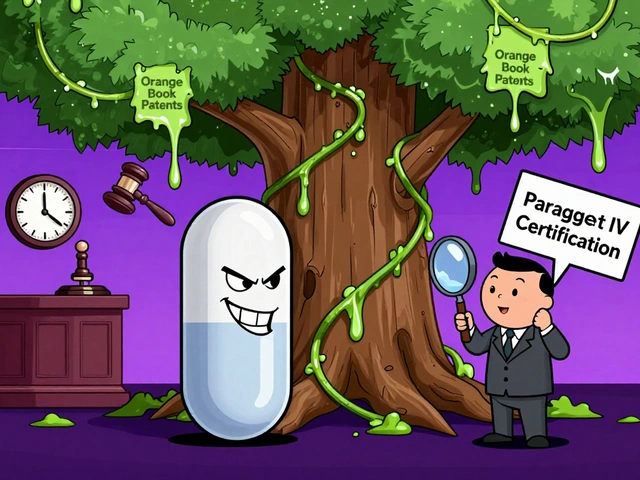
Okay but what if the FDA is in on it? I’ve seen reports where the same lab approves generics for Big Pharma AND the first-mover-same batch numbers, same warehouse logs. Coincidence? Or is the 180-day exclusivity just a shell game to keep prices high while the real players stay hidden? 🤔
It’s fascinating how deeply embedded this system is-not just in law, but in human behavior. Doctors prescribe out of habit. Pharmacists optimize for efficiency. Patients cling to familiarity. The drug itself becomes secondary to the infrastructure around it. This isn’t capitalism-it’s institutional inertia with a prescription pad.
frankly, the whole generic game is rigged. Big pharma owns the suppliers, the FDA inspectors, even the pharmacy software companies. First mover? More like first puppet. And don’t even get me started on authorized generics-brand companies just slap a new label on their own product and call it ‘generic.’ 😒
This made me think of my grandma-she’s been on the same blood pressure med for 12 years. Switched generics three times, but she still calls it ‘her blue pill.’ She doesn’t care what’s in it, just that it’s ‘the one that works.’ That’s the real magic here-not chemistry, but comfort.
So… let me get this straight. The system rewards speed, not quality. And the winner isn’t the best drug-they’re just the fastest at paperwork and luck? Wow. Just… wow. 😒
Every great system begins with a single step. The first generic doesn’t just enter a market-it changes the rhythm of care. It teaches doctors to trust alternatives. It teaches patients to believe in value. And it teaches pharmacies to choose wisely. This isn’t just business. It’s a quiet revolution in access.
Path dependency? More like corporate brainwashing. Patients don’t stick with a drug because it’s better-they’re conditioned. Doctors don’t prescribe it because it’s optimal-they’re lazy. Pharmacies don’t switch because they’re efficient-they’re afraid of liability. This isn’t market logic. It’s institutional cowardice.
Bro this is wild. I didn’t realize the first generic was basically a monopoly for 6 months. And then the brand just drops their own version?? That’s like McDonald’s launching a ‘cheaper burger’ right after Wendy’s opens. 🤯 And people wonder why meds cost so much…
I used to work in a pharmacy. Saw the same script come through for metformin. Same pill. Same dose. But one version? Patients cried when it switched. They said it ‘didn’t feel right.’ I didn’t know what to say. Nothing changed. Except their minds.
It’s not about the pill. It’s about the ritual. The morning routine. The bottle on the counter. The pharmacist who remembers your name. The first generic doesn’t win because it’s cheaper-it wins because it became part of someone’s life. That’s the real edge.
First mover gets 70%? Bro that’s not a market, that’s a cult. 😭 And the FDA lets this happen? We’re literally paying for brand loyalty on generic pills. I need a nap… and a new doctor.