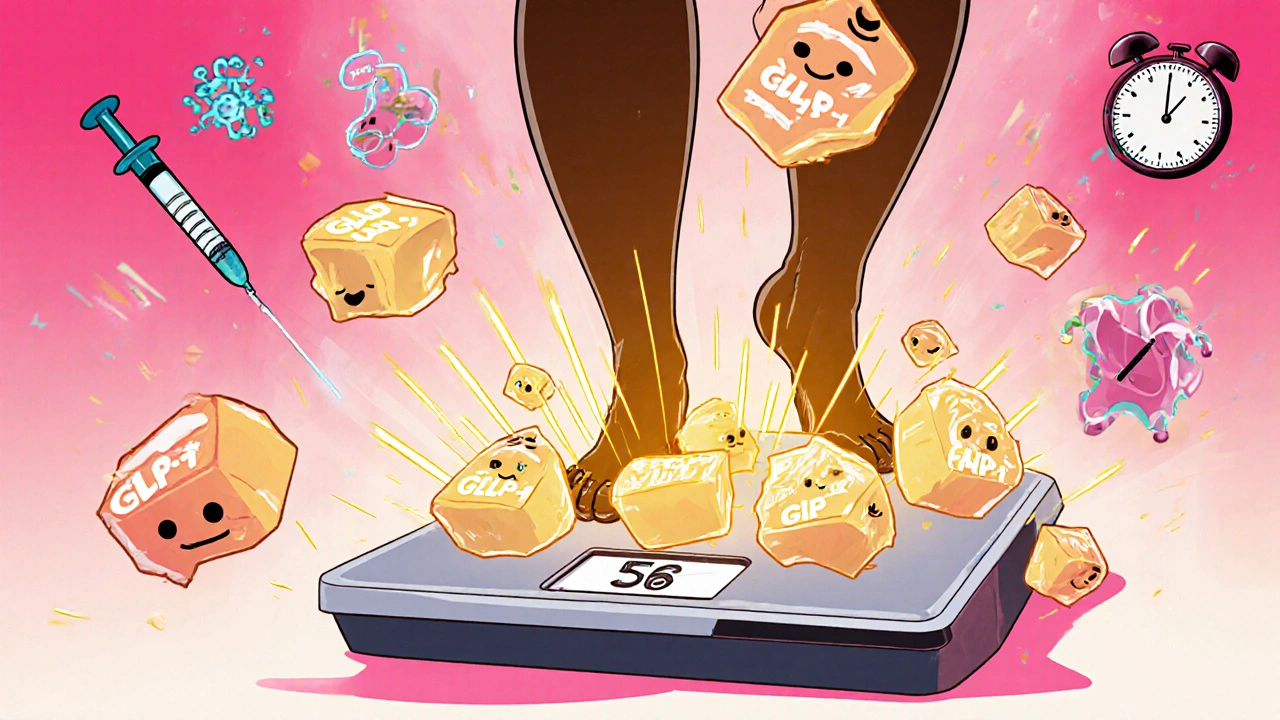
What is tirzepatide, and why is it different from other weight-loss drugs?
Tirzepatide is a once-weekly injectable medication that activates two hormone receptors at once-GLP-1 and GIP-making it the first FDA-approved dual incretin agonist for chronic weight management. Also known by its brand name Zepbound, it was approved for weight loss in November 2023, after proving more effective than other popular drugs like semaglutide (Wegovy). Unlike single-target medications, tirzepatide doesn’t just reduce hunger. It works on multiple systems in your body to burn fat, improve insulin sensitivity, and slow digestion-all at the same time.
People using tirzepatide in clinical trials lost an average of 16.5% to 22.4% of their body weight over 72 weeks. That’s not just a few pounds. For someone weighing 250 pounds, that’s 41 to 56 pounds gone. The highest dose (15 mg) led to 22.5% weight loss on average, compared to 14.9% with semaglutide. That’s over 50% more fat loss in the same timeframe. The difference isn’t just in appetite suppression. Studies show tirzepatide also increases energy expenditure and changes how your body stores and uses fat, even when calorie intake stays the same.
How does tirzepatide actually make you lose weight?
Tirzepatide mimics two natural hormones your body already makes: GLP-1 and GIP. These are called incretins because they’re released after you eat and help your body handle food better. But tirzepatide doesn’t just copy them-it enhances their effects.
- It signals your brain to feel full faster and reduces cravings, especially for high-fat, high-sugar foods.
- It slows down how fast your stomach empties, so food stays in your gut longer, keeping you satisfied.
- It tells your pancreas to release insulin only when your blood sugar is high, preventing spikes and crashes.
- It lowers glucagon, a hormone that tells your liver to release stored sugar, helping keep blood sugar stable.
- It increases adiponectin, a fat-burning hormone that improves how your muscles and liver respond to insulin.
- It reduces inflammation in fat tissue, which is linked to insulin resistance and weight gain.
What’s unique is that GLP-1 and GIP work together. When you activate both, the effect isn’t just added-it’s multiplied. Duke University researchers found that combining these signals triggers fat loss pathways that neither hormone can activate alone. That’s why tirzepatide outperforms drugs that only target GLP-1.
How is it dosed, and what’s the real timeline for results?
You don’t start at the full dose. Tirzepatide uses a gradual titration schedule to help your body adjust and reduce side effects. The FDA-approved plan takes 20 weeks to reach the highest dose:
- Weeks 1-4: 2.5 mg once weekly
- Weeks 5-8: 5 mg once weekly
- Weeks 9-12: 10 mg once weekly
- Weeks 13-20: 15 mg once weekly (maintenance dose)
Most people don’t see major weight loss until they hit the 10 mg dose, around months 3-4. The biggest drops happen between months 6 and 12. In trials, people lost about 5% of their weight by month 3, 12% by month 6, and 20%+ by month 12. Rushing the dose increase doesn’t help-it just increases nausea and vomiting.
Some patients need to stay at a lower dose longer. About 38% of users in Lilly’s data required extra time at the 5 mg or 10 mg level before moving up. If you’re new to GLP-1 drugs, you’re more likely to need a slower ramp-up. Those who’ve used semaglutide before tend to adapt faster.
What are the side effects, and how do you manage them?
The most common side effects are gastrointestinal-and they’re real. About 20-25% of users get nausea, 15-18% get diarrhea, and 7-10% vomit. These aren’t rare. They’re expected. But they’re also manageable.
Here’s what works:
- Start low and go slow. Don’t rush the dose increases.
- Eat smaller meals. Avoid greasy, fried, or sugary foods during the first few weeks.
- Stay hydrated. Dehydration makes nausea worse.
- Take the injection right before a meal. This helps your body link the drug with food intake.
- Use ginger tea or OTC anti-nausea meds like meclizine during the first few weeks of escalation.
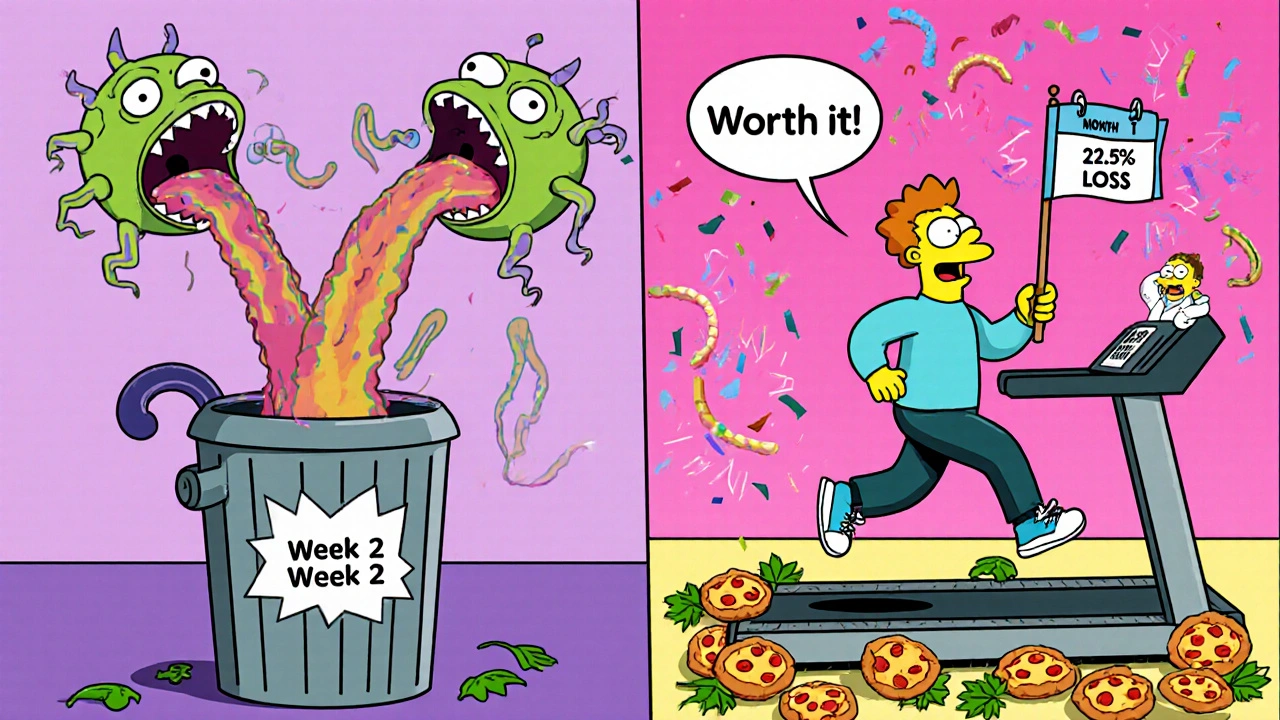
According to a review of 2,145 patient reports, 68% of users hit at least 15% weight loss by six months. But 32% stopped because of side effects. Of those who quit, 87% cited nausea, 71% had diarrhea, and 63% vomited. The key? Patience. Most side effects fade after 4-6 weeks at a stable dose. Many users say the hunger suppression is worth it once their stomach adjusts.
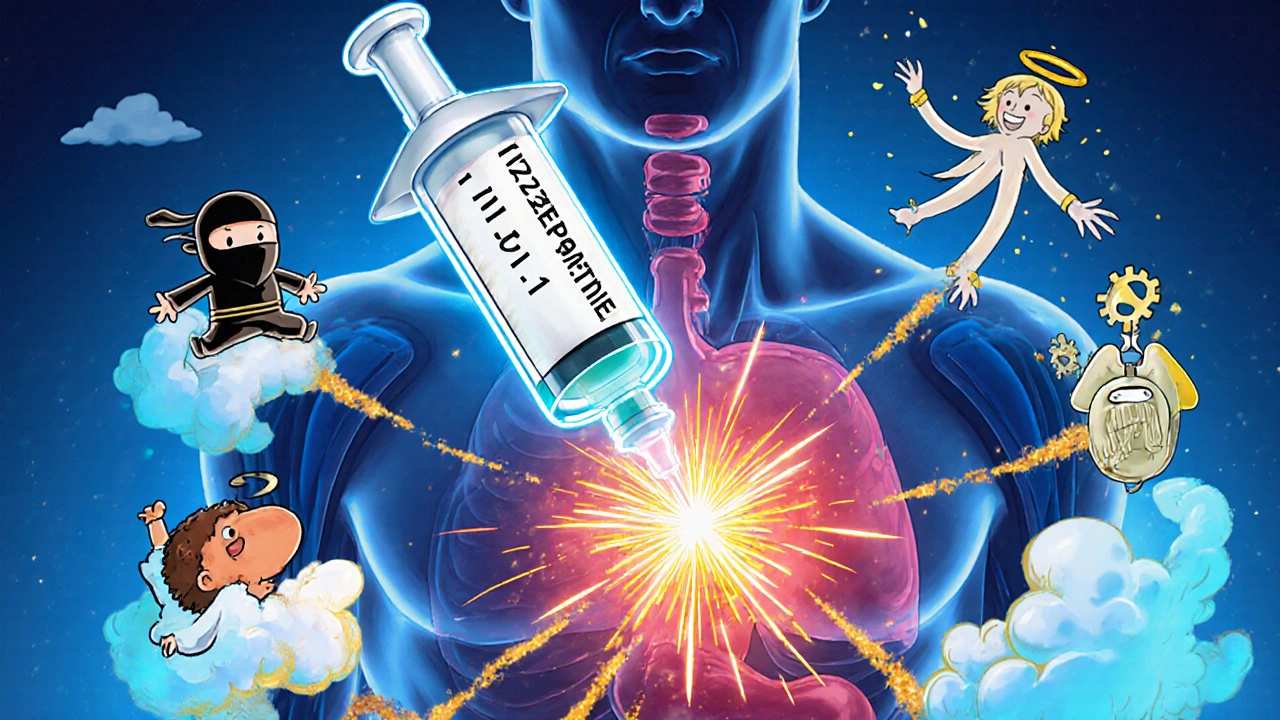
Who should not take tirzepatide?
It’s not for everyone. Tirzepatide has black box warnings from the FDA because of thyroid tumors seen in rodent studies. While no human cases have been confirmed, you should avoid it if you or a family member has:
- Medullary thyroid carcinoma (MTC)
- MEN2 syndrome (a genetic disorder linked to MTC)
It’s also not recommended if you have a history of:
- Acute pancreatitis
- Severe gastrointestinal disease (like gastroparesis)
- Multiple allergic reactions to similar drugs
People with type 1 diabetes should not use it. It’s only approved for adults with obesity (BMI ≥30) or overweight (BMI ≥27) with at least one weight-related condition like high blood pressure, sleep apnea, or high cholesterol.
How does it compare to semaglutide (Wegovy) and other weight-loss drugs?
| Feature | Tirzepatide (Zepbound) | Semaglutide (Wegovy) |
|---|---|---|
| Target Receptors | GLP-1 and GIP (dual) | GLP-1 only |
| Average Weight Loss (72 weeks) | 22.5% | 14.9% |
| Dosing Schedule | 20-week titration to 15 mg | 16-week titration to 2.4 mg |
| Common Side Effects | Nausea (20-25%), diarrhea (15-18%), vomiting (7-10%) | Nausea (20-22%), diarrhea (10-14%), vomiting (6-8%) |
| Cost (Monthly, with co-pay) | $45-$75 | $50-$80 |
| Approved for Sleep Apnea? | Yes (since October 2024) | No |
Tirzepatide wins on weight loss, but the difference isn’t just in the numbers. Users report less hunger, fewer cravings, and more energy. That’s likely because GIP helps your body burn fat more efficiently, not just eat less. Semaglutide is still effective, but tirzepatide sets a new standard.
What happens when you stop taking it?
This is the big question. Like all weight-loss medications, tirzepatide doesn’t cure obesity-it manages it. When you stop, most people regain weight. A follow-up study showed that within 6 months of stopping, users regained an average of 12-15% of the weight they lost.
Yale researchers warn this isn’t failure-it’s biology. Your body fights to return to its old weight. That’s why experts recommend combining tirzepatide with lifestyle changes: regular movement, protein-rich meals, and sleep hygiene. Some patients stay on it long-term, especially if they have obesity-related conditions like diabetes or sleep apnea.
There’s no official guideline for how long to stay on it. Many doctors suggest continuing as long as it’s working and tolerated. Discontinuing should be done under medical supervision, with a plan to maintain weight through diet and activity.
How much does it cost, and is it covered by insurance?
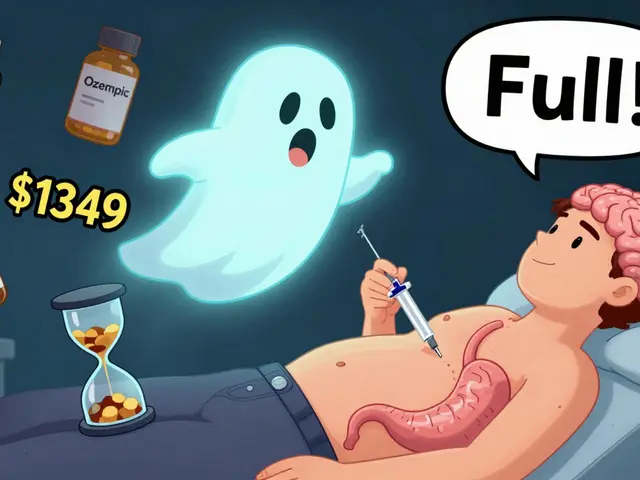
The list price is $1,023 for a 4-week supply. But that’s not what most people pay. Thanks to Eli Lilly’s co-pay assistance program, 89% of commercially insured patients pay under $100 per month. Many pay as little as $45.
Medicare Part D covers it for people with obesity and related conditions, but prior authorization is often required. Medicaid coverage varies by state. Some employers offer it through wellness programs. The Lilly Cares Foundation helps uninsured patients get it for free if they meet income guidelines.
Insurance denials are common if you don’t have a BMI over 30 or a weight-related condition. If you’re denied, ask your doctor to submit a letter of medical necessity. Many appeals succeed when linked to conditions like hypertension, prediabetes, or sleep apnea.
What’s next for tirzepatide and weight-loss drugs?
Tirzepatide is just the beginning. Lilly is already testing retatrutide-a triple agonist that targets GLP-1, GIP, and glucagon. Early data shows 24.2% weight loss in 24 weeks. That’s even higher than tirzepatide.
In October 2024, the FDA approved Zepbound for obstructive sleep apnea in adults with obesity. That’s huge. It’s the first weight-loss drug approved specifically for this condition, not just as a side benefit. Trials are also underway for non-alcoholic steatohepatitis (NASH), heart disease, and even Alzheimer’s prevention.
Experts believe we’re entering a new era of obesity treatment. Instead of one drug for one problem, we’re moving toward multi-target therapies that fix the whole system. Tirzepatide proved that dual-action works. The next wave will be even stronger.
Can tirzepatide be used by people without diabetes?
Yes. Tirzepatide is approved for chronic weight management in adults with obesity (BMI ≥30) or overweight (BMI ≥27) with at least one weight-related condition, regardless of whether they have diabetes. The weight-loss version is sold as Zepbound, while the diabetes version is Mounjaro. Both contain the same active ingredient.
How long does it take to see results with tirzepatide?
Most people start noticing reduced hunger and slight weight loss by week 8-12, once they reach the 10 mg dose. The biggest changes happen between months 6 and 12. Clinical trials showed an average of 22.5% weight loss after 72 weeks at the 15 mg dose. Patience and consistent dosing are key.
Is tirzepatide better than Wegovy for weight loss?
Yes, in head-to-head trials, tirzepatide led to significantly more weight loss-22.5% on average versus 14.9% with semaglutide. It also improves blood sugar control and insulin sensitivity more effectively. However, side effects are slightly more common. The choice depends on your tolerance, medical history, and how your body responds.
Can I drink alcohol while taking tirzepatide?
Moderate alcohol is generally okay, but it can worsen nausea and increase the risk of low blood sugar, especially if you’re also taking insulin or other diabetes meds. Alcohol also adds empty calories and can trigger cravings. Many users choose to cut back during the first few months of treatment to avoid side effects.
What should I do if I miss a dose of tirzepatide?
If you miss a dose and it’s been less than 4 days since your last injection, take it as soon as you remember. If it’s been more than 4 days, skip the missed dose and wait until your next scheduled day. Don’t double up. Missing one dose won’t ruin your progress, but try to stay on schedule to maintain steady drug levels.
Will tirzepatide help me lose belly fat specifically?
Yes. Studies using body composition scans show tirzepatide reduces visceral fat-the dangerous fat around your organs-more than other weight-loss drugs. This is important because belly fat is linked to heart disease, diabetes, and inflammation. The dual action on GIP and GLP-1 helps break down this fat more effectively than GLP-1 alone.
Final thoughts: Is tirzepatide worth it?
If you’ve tried diet, exercise, and other medications without lasting results, tirzepatide offers real hope. It’s not magic, but it’s the most powerful tool we have right now for significant, sustained weight loss. The side effects are tough at first, but most people get through them. The weight loss is life-changing-for mobility, energy, sleep, and confidence.
It’s not a quick fix. It’s a long-term commitment. But for many, it’s the difference between managing obesity and finally overcoming it.
It’s wild to think we’re finally treating obesity like a real disease instead of a moral failing. Tirzepatide doesn’t just shrink fat-it rewires the biology of craving. It’s not a magic bullet, but it’s the first tool that actually speaks the language of the body. I used to think willpower was the answer. Now I know the body was just screaming for help, and we finally gave it a voice.
People who call this ‘chemical laziness’ haven’t lived in a body that fights every calorie like it’s the last one on earth. This isn’t cheating. It’s correction.
so uhh... if i stop taking it do i just turn back into a human-shaped sack of regret?
also why is this cheaper than my rent
22.5% weight loss sounds impressive until you realize the trial population was highly selected-mostly young, healthy, compliant, and under medical supervision. Real-world adherence? More like 40% quit by month 6. The drop-off curve is brutal. And don’t get me started on the cost-to-benefit ratio when you factor in long-term maintenance. This isn’t a cure. It’s a very expensive band-aid on a systemic failure.
Also, the FDA’s rodent thyroid tumor data is buried in a footnote. That’s not a ‘black box warning’-it’s a neon sign screaming ‘we don’t know what this does long-term.’
okay but why is this only for people with bmi over 30? what about the rest of us who are just kinda chubby? also why is it so expensive if its just a hormone? its not like they made it from unicorn tears. my cousin took semaglutide and lost 40lbs and now she's all 'i dont need food anymore' and i'm just here eating ramen wondering if my body is broken. also why is the government letting big pharma charge 1k a month for this??
Been on tirzepatide for 5 months at 15mg. Lost 47lbs. Nausea was brutal the first 3 weeks-ginger tea and meclizine saved me. Now? I feel like a new person. Energy up, cravings gone, sleep apnea gone. No more 3pm crashes. I’m walking my dog 2 miles a day now-something I hadn’t done in 10 years.
It’s not easy. But it’s worth it. If you’re considering it, don’t rush the titration. Let your body adjust. And don’t believe the ‘it’s just a pill’ trolls. This is a medical tool. Use it smart.
Also, if you’re worried about weight regain? Pair it with protein-heavy meals and strength training. The scale doesn’t tell the whole story. I gained 5lbs of muscle while losing fat. 😊
my doctor said i gotta wait 6 months for a prescrption. i’m just here waiting and eating snacks like its my job. hope i dont turn into a potato by then.
It's deeply irresponsible to market a drug that causes nausea, vomiting, and potential thyroid tumors as a 'weight-loss solution' for the general population. This isn't medicine-it's corporate exploitation of desperation. People are being sold a fantasy that they can outsource their health to a chemical. Where is the accountability for the cultural obsession with thinness that made this necessary in the first place?
And let's not forget: the clinical trials excluded those with psychiatric conditions, eating disorders, or chronic pain. Who are we really helping here?
the data is cherry picked. 22.5% sounds great until you realize they used the highest dose and excluded everyone who quit. real world results are half that. also the cost is insane. if you're not rich you're just out of luck. this is a luxury drug disguised as medicine. the pharmaceutical companies are laughing all the way to the bank while people starve themselves trying to qualify for it
i tried this for 2 weeks. threw up every day. stopped. still have the same belly. guess i’m just lazy.
also the guy who said ginger tea helped? you’re a wizard.
As a guy who grew up in a country where obesity was rare and food was simple-rice, fish, greens-I’ve watched the West turn food into a battlefield. Tirzepatide isn’t just a drug. It’s a symptom. We’ve lost the rhythm of eating. We snack while scrolling. We eat for stress. We’ve forgotten hunger.
This drug works because it forces the body back into balance. But we shouldn’t need a chemical to unbreak what our culture broke. Maybe we need to look at our tables before we look at our prescriptions.
I’ve been on this for 8 months and it’s the most life-changing thing I’ve ever done. I went from hiding in baggy clothes to wearing dresses again. I’m not just lighter-I’m freer. The nausea was awful at first, but I pushed through. I started cooking more. I stopped drinking soda. I sleep better. I’m not just losing weight. I’m rebuilding my relationship with my body.
It’s not perfect. It’s not easy. But it’s real. And if you’re on the fence? Try the lowest dose. Give it 3 months. Your future self will thank you. No regrets.
did you know the FDA approved this after a secret meeting with big pharma? they’re using it to track your biometrics and sell your data. the ‘weight loss’ is just the bait. next thing you know, they’ll be implanting chips to control your appetite. remember when they said vaccines had microchips? now they’re doing it with weight loss drugs. you think this is about health? it’s about control.
Oh wow, another ‘miracle’ drug that costs more than a used car and only works if you’re already healthy enough to tolerate it. Congrats, Lilly. You’ve turned metabolic dysfunction into a premium subscription service. The real winners? The 1% who can afford to be thin while the rest of us eat discounted ramen and pretend we’re not dying slowly from systemic neglect.
Also, ‘Zepbound for sleep apnea’? That’s like giving a smoker a new lung while ignoring the fact that they’re still lighting up.
lol this is just a fancy way to say 'stop eating' and charge 1k a month for it. i know people who took this and still ate pizza every day. they lost weight because they were scared of puking. not because they changed anything. this is scam. also why is it called zepbound? sounds like a brand of socks.
I’m a nurse and I’ve seen so many patients struggle with this. If you’re thinking about tirzepatide, don’t go it alone. Find a support group. Talk to a dietitian. Get your sleep and stress in check. The drug helps-but it doesn’t replace the foundation. You’re not broken. You’re just trying to heal in a world that makes it hard.
And if you’re feeling overwhelmed? One step. One meal. One day. That’s enough.