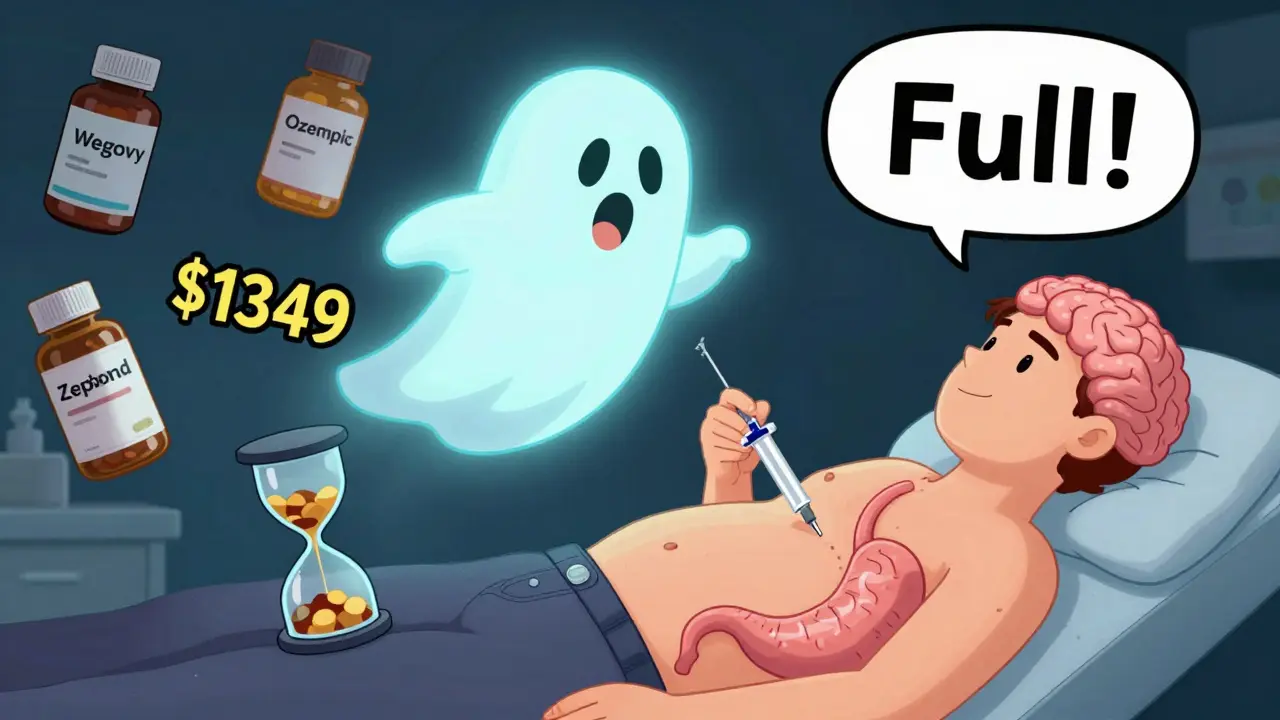
When you hear about GLP-1 agonists, you might think of a new miracle drug. And in many ways, you’re right. These medications aren’t just another pill on the shelf-they’re changing how doctors treat obesity and type 2 diabetes. But they’re not magic. They come with real benefits, real side effects, and real costs. If you’re considering one, you need to know what you’re getting into.
How GLP-1 Agonists Actually Work
GLP-1 agonists mimic a hormone your body already makes. When you eat, your gut releases glucagon-like peptide-1 (GLP-1). That hormone tells your pancreas to release insulin, slows down your stomach, and sends a signal to your brain: "You’re full."
Drugs like semaglutide (a GLP-1 receptor agonist used for weight loss under the brand name Wegovy and diabetes as Ozempic) and liraglutide (sold as Saxenda for weight loss and Victoza for diabetes) are engineered to last longer than the natural hormone. They stick around for days instead of minutes. This means they keep your appetite suppressed, your stomach emptying slowly, and your blood sugar stable.
That’s why people lose weight. Not because they’re starving. Not because they’re forced to eat less. But because they naturally feel full sooner and stay full longer. In clinical trials, people on semaglutide lost an average of 15.8% of their body weight over 68 weeks. That’s not a small number. It’s the kind of loss that often comes with bariatric surgery.
Weight Loss Results You Can Expect
Not all GLP-1 agonists are the same. Here’s what the data shows:
| Medication | Dose | Weight Loss (Average) | Study Duration |
|---|---|---|---|
| Semaglutide (Wegovy) | 2.4 mg weekly | 15.8% | 68 weeks |
| Tirzepatide (Zepbound) | 15 mg weekly | 20.9% | 72 weeks |
| Liraglutide (Saxenda) | 3.0 mg daily | 6.4% | 56 weeks |
| Placebo | N/A | 2.6% | 68 weeks |
That’s not just a little better. Tirzepatide, which also targets the GIP hormone, is outperforming even semaglutide. And the difference between 6.4% and 15.8%? That’s the difference between fitting into one size smaller and going down two or three sizes.
What’s more, these aren’t just weight loss drugs. They’re metabolic reset tools. People on these medications often see lower blood pressure, better cholesterol, and fewer heart events. In one major study, semaglutide reduced major cardiovascular events by 26%. That’s not just about looking better-it’s about living longer.
What You’ll Likely Feel: The Side Effects
Let’s be honest: the side effects are real. And for many, they’re the reason people quit.
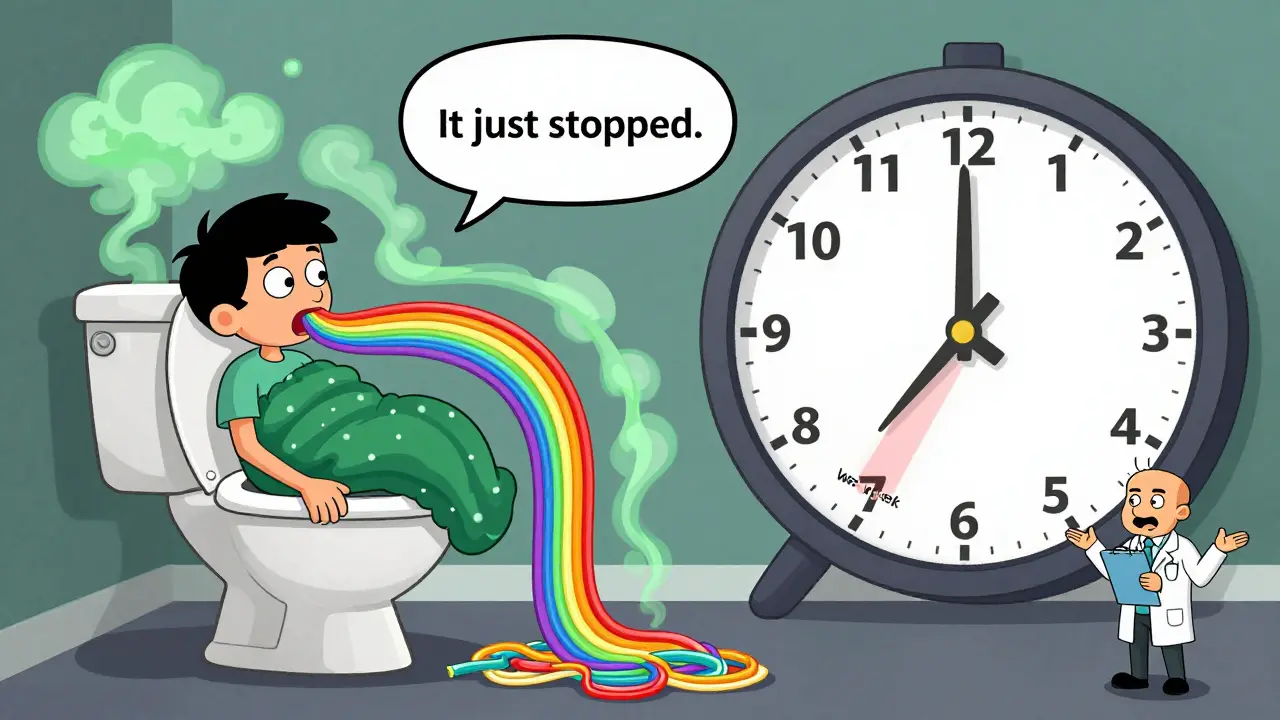
About 70-80% of users experience nausea, especially in the first few weeks. Around 50-60% get diarrhea. Nearly half deal with vomiting. Abdominal pain is common too. These aren’t rare side effects. They’re expected.
But here’s the thing: they usually get better. Most people find their symptoms drop off after 8-12 weeks. That’s why doctors start you on a low dose and slowly increase it over 16-20 weeks. Jumping straight to the full dose? That’s a recipe for misery.
Reddit threads and Drugs.com reviews tell the same story. One user wrote: "Weeks 3-8 were brutal. I almost quit. Then, one day, it just stopped." Another said: "I lost 78 pounds. But I cried through the first two months. It was worth it, but don’t let anyone tell you it’s easy."
There are ways to manage it. Eat smaller meals. Avoid fatty or fried foods. Drink water. Some doctors recommend anti-nausea meds like ondansetron during the first few weeks. And if you’re still struggling after 12 weeks? Talk to your provider. Maybe your dose needs to be lowered.
Who Shouldn’t Use Them
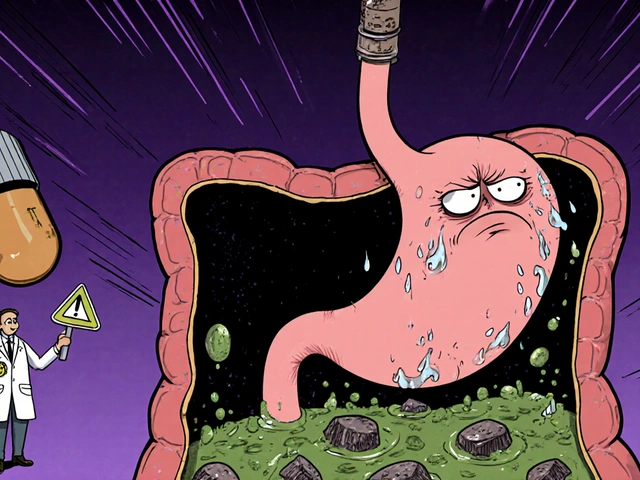
Not everyone can take these drugs. There are two absolute red flags:
- A personal or family history of medullary thyroid cancer
- Multiple endocrine neoplasia syndrome type 2 (MEN 2)
These are rare conditions, but they matter. GLP-1 agonists caused thyroid tumors in rats during testing. We don’t know if they do the same in humans-but the FDA requires a black box warning anyway. If you or a close relative had thyroid cancer, skip these drugs.
Another concern: pregnancy. These drugs aren’t tested in pregnant women. If you’re planning to get pregnant, you’ll need to stop them at least two months before. And if you’re sexually active and not using reliable birth control? Talk to your doctor.
Cost and Access: The Hidden Barrier
Wegovy costs about $1,349 a month without insurance. Ozempic (the same drug, lower dose) runs $936. That’s not affordable for most people. And insurance? It’s a mess.
As of 2023, only 37% of private insurance plans in the U.S. cover Wegovy for weight loss. But 89% cover it for diabetes. That’s not a mistake. It’s policy. Insurance companies still see obesity as a lifestyle issue, not a medical one.
That’s why you’ll see people on Reddit buying Ozempic off the black market. Or switching to Saxenda because it’s cheaper. Or waiting months just to get a prescription approved. The science is clear. The access? Not so much.
What Happens When You Stop?
This is the part no one talks about enough.
GLP-1 agonists don’t cure obesity. They manage it. Like blood pressure meds or insulin. If you stop, you’ll likely regain most of the weight.
One study showed that after people stopped semaglutide, they regained 50-70% of their lost weight within a year. That’s not failure. That’s biology. Your body fights to return to its old weight. That’s why doctors say: "Think long-term. This isn’t a quick fix. It’s a long-term tool."
Some people stay on for years. Others use it as a jumpstart, then switch to diet and movement. But if you stop cold turkey? Don’t be surprised if the scale creeps back up.
How to Use Them Right
If you’re going to use one, do it right:
- Start low. A 0.25 mg weekly dose for 4 weeks, then slowly increase. Rushing this step makes side effects worse.
- Inject properly. These are subcutaneous shots-belly, thigh, or upper arm. Most people learn the technique after one demo.
- Pair with food changes. You don’t need to starve. But cutting 500 calories a day helps. Focus on protein and fiber. Skip sugary drinks.
- Stay in touch with your doctor. Check in every 3 months. Adjust dose. Monitor for side effects.
- Plan for the long haul. These aren’t temporary fixes. If you want to keep the weight off, you’ll likely need to keep using them.
The Future Is Coming
There’s more on the horizon. Oral versions of semaglutide are in phase 3 trials. If they work, you could swallow a pill instead of injecting yourself. That could change everything.
And the market? It’s exploding. The global GLP-1 agonist market for weight loss is projected to hit $100 billion by 2030. Right now, Novo Nordisk (maker of Wegovy) controls 65% of the market. Eli Lilly (maker of Zepbound) is catching up fast.
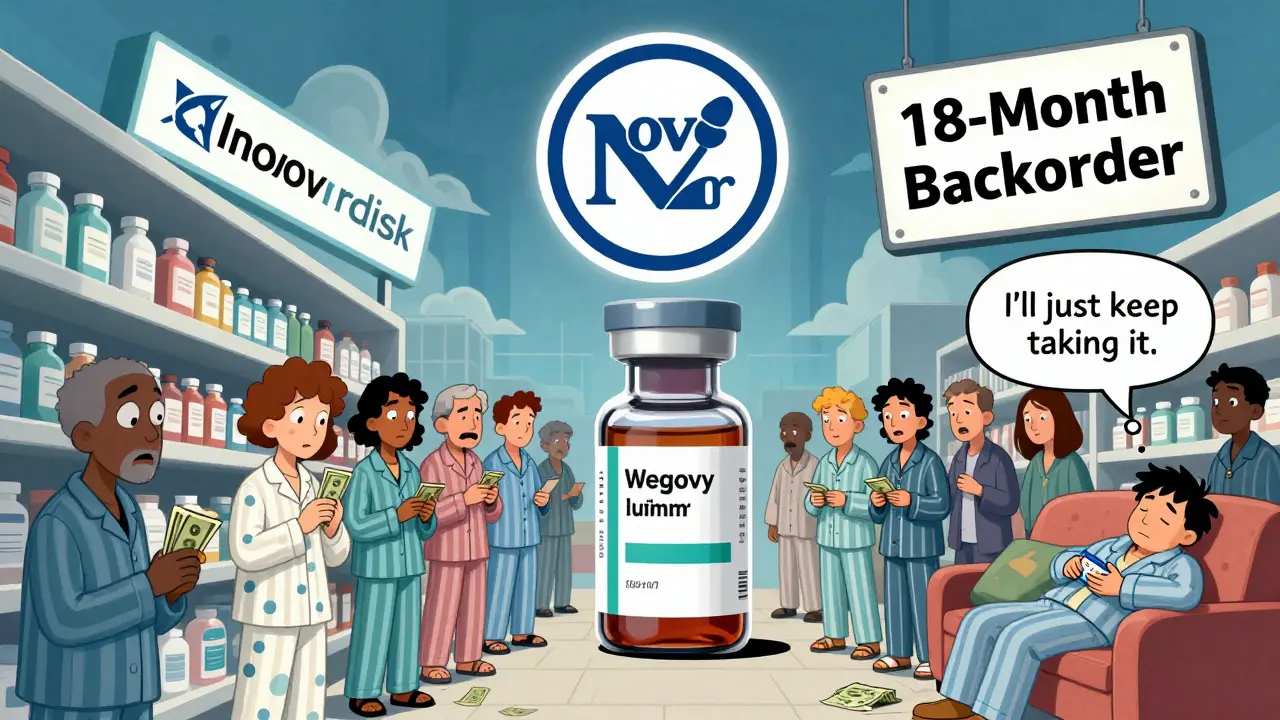
But supply shortages are real. Novo Nordisk reported 18-month backorders for Wegovy in late 2023. Even if your doctor prescribes it, you might wait months to get it.
Final Thoughts
GLP-1 agonists aren’t for everyone. But for people struggling with obesity, especially those with diabetes or heart risks, they’re one of the most powerful tools we’ve ever had.
They work. They’re safe for most. And yes-they come with side effects. But so do every other treatment we use for chronic disease. The difference? This time, the weight loss is real. And it’s lasting.
If you’re considering one, talk to your doctor. Ask about your options. Ask about cost. Ask about alternatives. And don’t let anyone sell you a miracle. This isn’t about looking a certain way. It’s about feeling better, moving easier, and living longer.
Are GLP-1 agonists the same as Ozempic and Wegovy?
Yes, Ozempic and Wegovy are brand names for the same drug: semaglutide. Ozempic is approved for type 2 diabetes at lower doses (0.25-1 mg weekly). Wegovy is approved for weight loss at a higher dose (2.4 mg weekly). The active ingredient is identical. The difference is the dose, the label, and the price.
Can I take GLP-1 agonists if I’m not obese?
FDA-approved use requires a BMI of 30 or higher, or 27 with at least one weight-related condition like high blood pressure or prediabetes. Some doctors prescribe them off-label for people with lower BMI, but insurance won’t cover it. And the side effects still apply. These aren’t cosmetic drugs-they’re medical treatments with real risks.
Do GLP-1 agonists cause muscle loss?
Some weight loss on these drugs comes from muscle, not just fat. Studies show about 25-30% of the weight lost is lean mass. That’s why combining them with resistance training and high-protein diets is critical. Without it, you might lose strength along with fat.
Is tirzepatide (Zepbound) better than semaglutide (Wegovy)?
In head-to-head trials, tirzepatide led to greater weight loss-20.9% versus 15.8%. It also improved blood sugar and cholesterol more. But it’s newer, more expensive, and harder to find. Semaglutide has more long-term safety data. If you can get either, both are excellent. Tirzepatide may be the better option if weight loss is your top goal.
How long do I need to take GLP-1 agonists?
For lasting results, most experts recommend continuing indefinitely. Obesity is a chronic condition. Stopping usually leads to 50-70% weight regain within a year. Think of it like blood pressure medication-you don’t stop after you feel better. You keep going to stay healthy.

Let’s be real - this whole GLP-1 craze is just Big Pharma’s new gold rush. They turned a hormone into a luxury status symbol. People are paying $1300 a month to feel less hungry while the rest of us are stuck eating ramen. And don’t even get me started on the black market Ozempic scams. You think this is medicine? It’s a cult. The side effects? Yeah, nausea and diarrhea. But the real cost is your dignity. You’re not ‘resetting your metabolism’ - you’re just another zombie on a weekly injection schedule. And don’t tell me it’s ‘for health’ - if you’re not diabetic, you’re just chasing a body that doesn’t need fixing.
Man, I’ve been on semaglutide for a year now and honestly? It changed my life. I lost 82 pounds, my blood pressure dropped, and I can finally walk up stairs without feeling like I’m running a marathon. Yeah, the first two months were rough - I was throwing up every time I ate a burger (which, honestly, was a good thing). But once my body adjusted? It felt like someone turned off a hunger dial I didn’t even know was on. I still eat carbs, I still enjoy food - just not 3x the amount I used to. The key is patience and not rushing the dose. I went from 0.25mg to 2.4mg over 18 weeks. No drama. No panic. Just slow and steady. And no, I don’t feel like a robot - I just feel like me again.
Important clarification: tirzepatide isn’t just ‘better’ than semaglutide - it’s a dual GIP/GLP-1 agonist, which means it works on two metabolic pathways. That’s why the weight loss numbers are higher. But long-term safety data? Still limited. Semaglutide has over 5 years of real-world use. Tirzepatide’s cardiovascular outcomes trial is still ongoing. Also, muscle loss is real - studies show 25-30% lean mass loss without resistance training. Protein intake needs to be 1.6-2.2g/kg of body weight daily. And hydration. Always hydrate. Also, don’t inject in the same spot twice. Lipohypertrophy is a thing. And yes, insurance coverage is a nightmare. But if you’re approved for diabetes, you can sometimes get Wegovy off-label with prior auth. Just be persistent.
You people are pathetic. You’re outsourcing your willpower to a drug because you’re too lazy to eat less and move more. This isn’t medicine - it’s chemical surrender. You think losing weight with a shot makes you ‘healthy’? No. It makes you dependent. You’re not ‘resetting your metabolism’ - you’re cheating your biology. And now you want to make it a social norm? What’s next? Injecting caffeine to stay awake? Pills to stop crying? This is the end of personal responsibility. People used to diet. They used to walk. They used to fight. Now? They wait for a prescription. Your body isn’t broken. Your discipline is. And don’t come here talking about ‘lifestyle changes’ while you’re still ordering delivery because you’re too tired to cook. Wake up.
There’s something beautiful about how science is finally catching up to what our bodies have been screaming for decades: we are not meant to live in a constant state of overstimulation. GLP-1 agonists aren’t magic - they’re a bridge. A bridge back to balance. For so long, we’ve been told to ‘just eat less’ - but no one explained why we couldn’t. The hormone system was broken. The environment was poisoned with sugar, stress, and silence. Now, for the first time, we have a tool that doesn’t punish us - it gently reminds us. I’ve been on it for 14 months. I lost 67 lbs. But more than that? I stopped hating my reflection. I stopped seeing food as enemy or reward. I started seeing it as fuel. And yes, the nausea was brutal. But so was my depression. This didn’t fix me - it gave me space to heal. 🙏
I just want to say - thank you for writing this. So many articles make it sound like this is easy or glamorous. But you laid out the truth: it’s hard, it’s expensive, and it’s not for everyone. I’ve been on Saxenda for 8 months. I lost 45 lbs. I still get bloated sometimes. I still hate the injection. But I’m sleeping better. My knees don’t hurt anymore. And I finally went on a hike with my niece last weekend - something I hadn’t done in 12 years. It’s not perfect. But it’s progress. And if someone’s trying to get healthier? They deserve to know the whole story - not just the before-and-after photos. Keep sharing real info. We need more of this.
Wow. Just wow. So now we’re glorifying chemical dependency as ‘metabolic reset’? Next they’ll be injecting insulin to lose weight because ‘it’s a chronic condition.’ This is how societies collapse - when we stop trusting the body and start trusting the pill. And let’s not pretend insurance won’t cover it for weight loss - they’re not stupid. They know this is a lifestyle drug. People aren’t obese because they have a disease - they’re obese because they chose to eat garbage and sit on their butt. This isn’t medicine. It’s a Band-Aid on a broken culture. And if you’re taking it because you ‘want to live longer’ - then maybe you should start by not watching Netflix for 8 hours a day. Just saying.
I just wanted to add - if you're on this and struggling with nausea, try ginger tea and eating protein first thing in the morning. Seriously. It helped me so much. Also, don't feel guilty if you need to lower your dose. I went from 2.4 to 1.7 and still lost weight - just slower. And yes, I'm on it long-term. I have PCOS and type 2. This isn't vanity. It's survival. 🤍