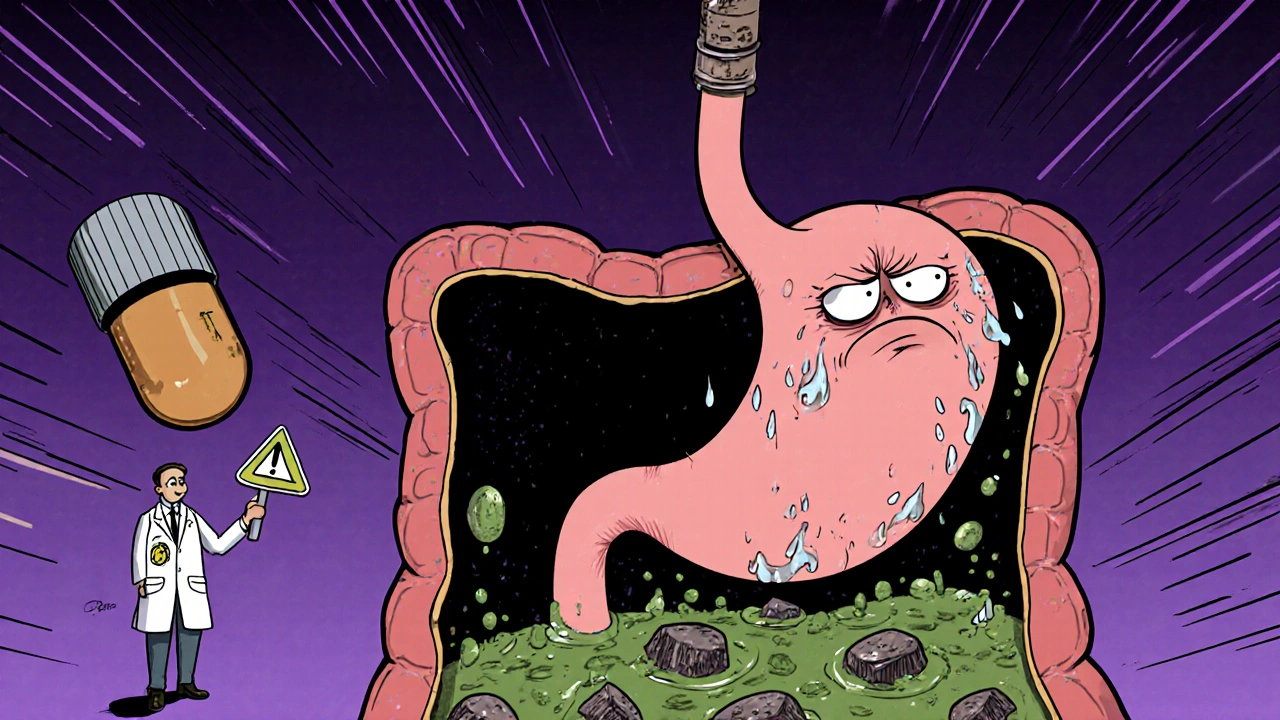
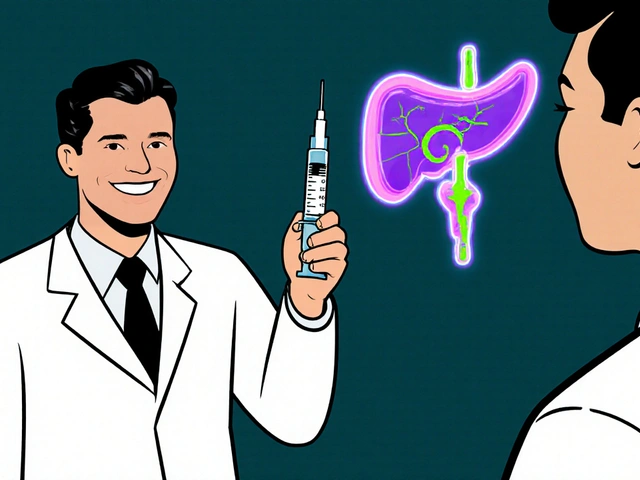
When you start taking a GLP-1 agonist like Ozempic or Wegovy, the goal is clear: better blood sugar control, weight loss, and improved health. But for some, a quiet warning sign emerges - a dull ache or sharp pain in the right upper abdomen, often after eating. This isn’t just indigestion. It could be your gallbladder screaming for attention.
Why GLP-1 Agonists Put Your Gallbladder at Risk
GLP-1 agonists work by mimicking a natural hormone that slows digestion, reduces appetite, and helps the pancreas release insulin. But there’s a side effect most people don’t talk about: they slow down your gallbladder too. Your gallbladder stores bile, a fluid your liver makes to break down fats. When you eat something fatty, your body releases a hormone called cholecystokinin, which tells the gallbladder to squeeze and dump bile into your intestines. GLP-1 agonists block that signal. Without that squeeze, bile sits still. And stagnant bile turns into sludge - then stones. A major 2022 analysis of 56,000 people across 76 clinical trials found that those taking GLP-1 agonists had a 37% higher risk of gallbladder disease compared to those on placebo. That might sound small, but in real numbers, it means about 1 in 100 people on these drugs develop gallstones. For those using higher doses for weight loss - like Wegovy or Saxenda - that number jumps to 1 in 75. Liraglutide and semaglutide carry the highest risk. Why? Because they’re the most powerful at triggering weight loss. The faster you lose weight, the more your body dumps cholesterol into bile. Combine that with a sluggish gallbladder, and you’ve got the perfect storm for stones.What Abdominal Pain Really Means
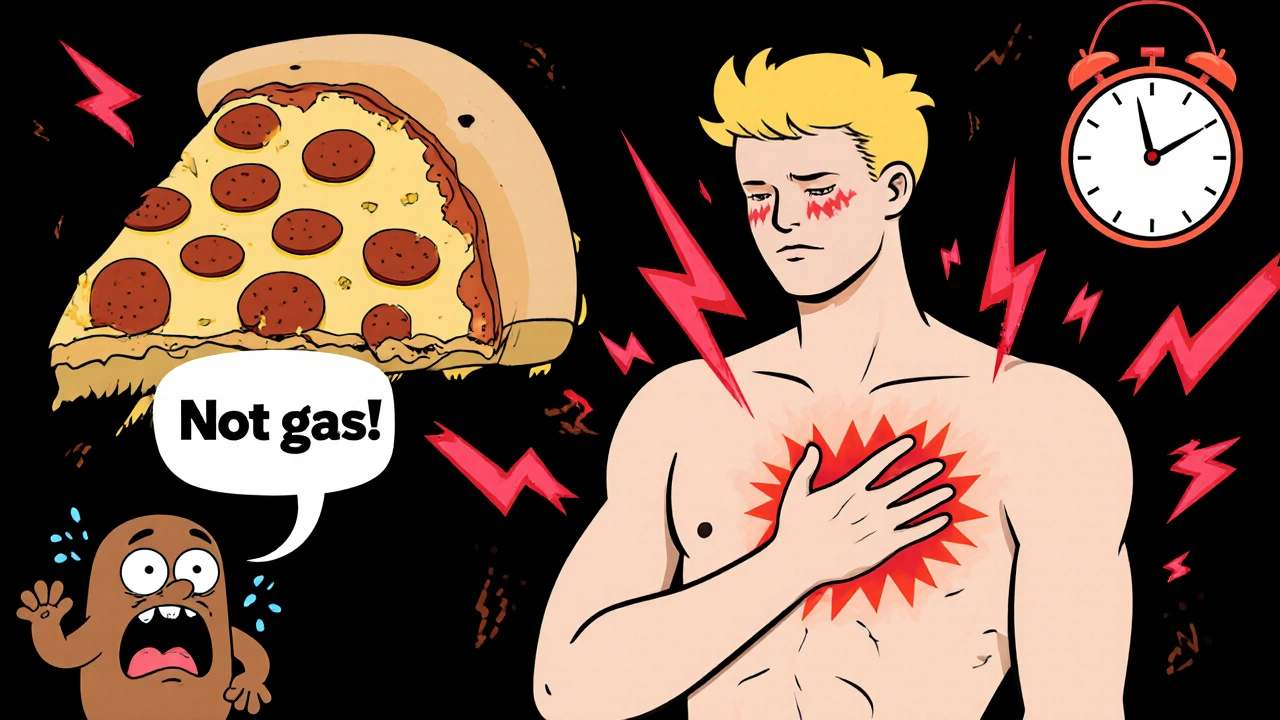
Not all belly pain is the same. If you’re on a GLP-1 agonist and feel pain, here’s what to watch for:- Location: Right upper quadrant - just under your ribs on the right side. Not the center, not the left. Right.
- Timing: Starts 30 to 60 minutes after eating, especially fatty meals like pizza, fried chicken, or cheese. It doesn’t come from eating too fast or spicy food.
- Duration: Lasts longer than 30 minutes. If it’s gone in 10 minutes, it’s probably gas. If it’s still there after an hour, it’s likely gallstones.
- Radiation: Pain that shoots into your right shoulder or back. That’s a classic sign your gallbladder is inflamed.
- Accompanying symptoms: Nausea, vomiting, fever, or yellowing of the skin or eyes. These aren’t normal side effects - they’re emergency signs.
Who’s Most at Risk?
You don’t have to be overweight to get gallstones - but if you’re losing weight fast on a GLP-1 agonist, your risk spikes. These people are especially vulnerable:- Women over 40
- People with a history of gallstones or gallbladder issues
- Those losing more than 1.5 kg (3.3 lbs) per week
- Anyone with a BMI over 30
- People with type 2 diabetes - especially if they’ve had the disease for years
What Doctors Should Do - And What You Should Ask For
The American Association of Clinical Endocrinology recommends a simple step before starting these drugs: an abdominal ultrasound if you have any of the risk factors above. It’s quick, painless, and non-radiation. If stones are already there, your doctor might delay starting the medication or suggest a preventive plan. If you’re already on a GLP-1 agonist and start feeling pain, don’t wait. Don’t assume it’s just your stomach adjusting. Don’t pop antacids and hope it goes away. Get an ultrasound within 48 hours. Delaying diagnosis increases your chance of needing emergency surgery. In the 2022 case series, 78% of patients with GLP-1-related gallbladder disease had to stop the drug. That’s not a failure - it’s prevention. Continuing the medication while you have inflammation can lead to a ruptured gallbladder - a life-threatening emergency.What About Other Weight-Loss Drugs?
Not all weight-loss medications carry this risk. Orlistat, for example, can cause oily stools and gas - but it doesn’t slow gallbladder movement. Phentermine-topiramate has no known link to gallstones. The problem is specific to GLP-1 agonists because of how they affect bile flow. That’s why switching drugs isn’t always an option. If you’re on a GLP-1 agonist for diabetes, stopping it could raise your blood sugar and increase heart risks. But if you’re on it for weight loss, and you develop gallbladder symptoms, the risk-benefit balance shifts. Losing 30 pounds isn’t worth a hospital stay - or surgery.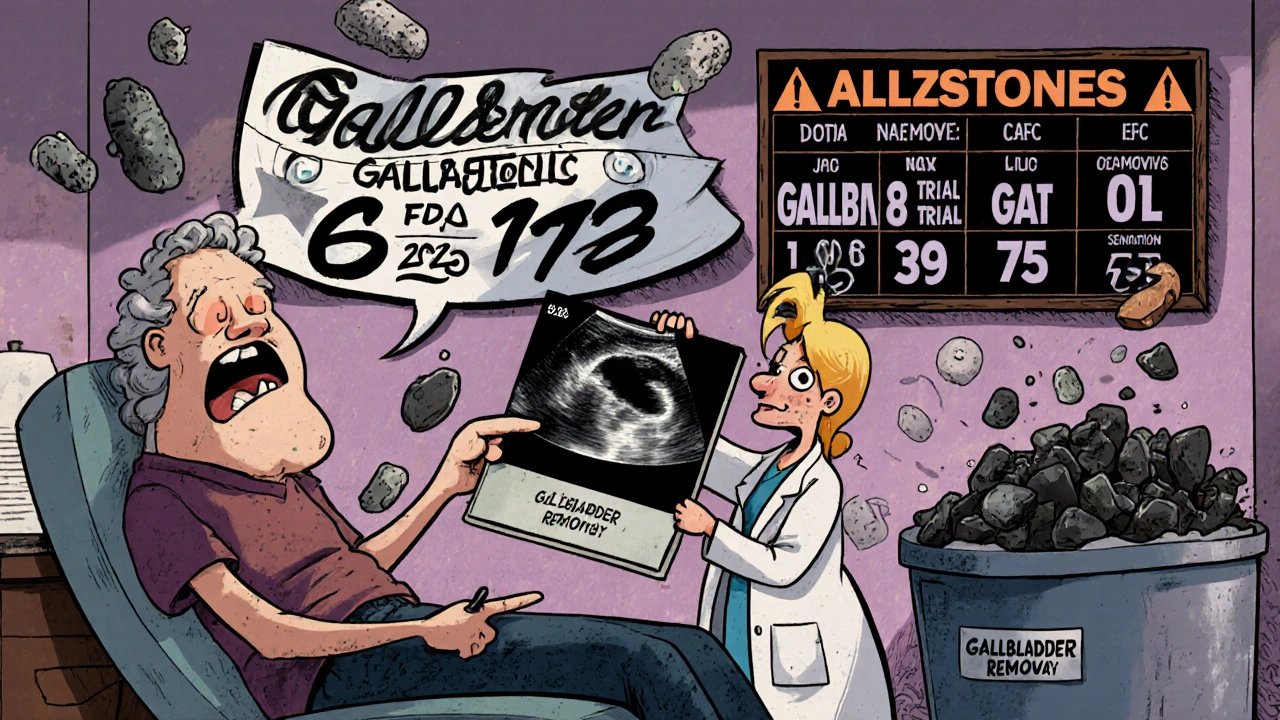
What’s Being Done About It?
The FDA updated the labels of all GLP-1 agonists in early 2023 to include gallbladder warnings. But many patients still don’t know. In 2023, over 1,800 gallbladder-related adverse events were reported to the FDA - a 217% jump from 2021. That’s likely just the tip of the iceberg. Researchers are now testing whether a common bile acid drug called ursodeoxycholic acid (UDCA) can prevent stones in high-risk patients. Early trials are promising. The Endocrine Society also now recommends slower weight loss - no more than 1 kg (2.2 lbs) per week - for people on these drugs, to give the gallbladder time to adapt.What You Should Do Right Now
If you’re on a GLP-1 agonist:- Know your risk factors - age, sex, weight loss speed, past gallstones.
- Learn the red flags - right upper pain after fatty meals, lasting over 30 minutes, radiating to your shoulder.
- Don’t ignore pain. Call your doctor. Get an ultrasound.
- If you’ve had your gallbladder removed, you’re low risk - but still report any new abdominal pain.
- Don’t stop your medication without talking to your doctor. But don’t suffer in silence either.
Can GLP-1 agonists cause gallbladder pain even at low doses?
Yes. While higher doses used for weight loss carry greater risk, gallbladder issues have been reported even at standard diabetes doses. A 2022 study found 14 out of 28 cases of acute cholecystitis occurred at recommended starting doses - not just maximum doses. The mechanism - slowed gallbladder emptying - happens regardless of dose. So even if you’re on 0.5 mg of semaglutide for diabetes, you’re not immune.
Is it safe to keep taking Ozempic or Wegovy if I’ve had gallstones before?
Not without caution. If you’ve had gallstones in the past, starting a GLP-1 agonist can cause them to move and block your bile duct - leading to severe pain, infection, or pancreatitis. The Mochi Health 2023 analysis found that people with prior gallstone history have a 4.2-fold higher risk of complications when starting these drugs. Talk to a gastroenterologist first. They may recommend removing your gallbladder before starting the medication, or suggest alternatives.
How soon after starting GLP-1 agonists do gallbladder problems usually appear?
Most cases occur between 3 and 9 months after starting treatment. The median time to symptom onset in clinical studies was 180 days - about six months. But some patients report pain as early as 6 weeks. The risk is highest during the first year, especially while weight is dropping quickly. After 12 months, the risk slows down, but it doesn’t disappear.
Can I prevent gallstones while taking a GLP-1 agonist?
You can lower your risk. Slow down your weight loss - aim for no more than 1 kg (2.2 lbs) per week. Avoid very high-fat meals. Stay hydrated. Some doctors now prescribe ursodeoxycholic acid (UDCA) as a preventive measure, especially for high-risk patients. A phase 2 trial is underway at Mayo Clinic to test this. But the best prevention is early detection: get an ultrasound if you have risk factors before starting the drug.
Should I get an ultrasound before starting a GLP-1 agonist?
If you’re a woman over 40, have a BMI over 30, are losing weight rapidly, or have a history of gallstones - yes. The American Association of Clinical Endocrinology recommends it. An ultrasound is non-invasive, cheap, and can catch stones before they cause trouble. If you’re healthy and under 40 with no risk factors, the benefit is less clear. But if you’re unsure, ask your doctor. Better safe than sorry.
So I’ve been on Wegovy for 5 months and last week I got this dull ache after eating burritos. Thought it was just the cheese, but now I’m sweating bullets. Got an ultrasound yesterday - yep, two little stones. Thanks for the heads-up, this post literally saved me from a ER trip.
Don’t panic if you’re feeling pain - but don’t ignore it either. I’m a nurse and I’ve seen too many people wait until they’re vomiting and running a fever. Ultrasounds are free at most clinics if you’re on insurance. Just call and ask. Your gallbladder doesn’t care how cool your weight loss journey is.
My cousin in India started Ozempic and had pain after 3 months. She thought it was just spicy food. Took her 2 weeks to get a doctor to listen. Finally got ultrasound, had to have surgery. Now she says she’d rather eat rice and dal than risk it. I told her - health first, not the scale.
Oh, so now we’re blaming the drugs again? Let me guess - next you’ll tell me oxygen causes lung cancer because people who use it also have emphysema. You’re not warning people, you’re fearmongering with statistics cherry-picked from a 2022 paper that didn’t even control for BMI changes. The gallbladder doesn’t care if you’re losing weight fast - it cares if you’re eating 3000 calories of fried chicken daily while on a GLP-1. Also, ‘1 in 75’? That’s 1.3%. You’re acting like everyone’s gonna need surgery. Please.
There’s something deeply human here - we want quick fixes, but our bodies don’t negotiate. The gallbladder isn’t a gadget you can overclock. It’s an organ that evolved over millions of years to respond to real food, real rhythms. When we pharmacologically slow digestion while simultaneously forcing rapid fat mobilization, we’re not just treating disease - we’re rewriting biology without consent. And then we wonder why things break.
Maybe the real question isn’t ‘how to prevent stones’ - but ‘why are we so desperate to lose weight this fast?’ Is it health? Or is it aesthetics dressed up as medicine?
Okay but like… WHY IS EVERYONE SO SILENT ABOUT THIS?? I’m on semaglutide and I’ve been having right side pain since week 4. I thought it was just… I dunno, my soul crying? I’m a 38yo woman, lost 22 lbs in 3 months, and now I’m terrified to eat avocado. I just googled ‘Ozempic gallbladder’ and cried for 20 minutes. Someone please tell me I’m not alone??
You need an ultrasound before starting. Period. If your doctor doesn’t offer it, find another one. This isn’t optional. You wouldn’t drive a car without checking the brakes. Why are you risking your bile duct like it’s a TikTok challenge?
I’ve been on liraglutide for diabetes for two years now. No issues. But I eat low-fat, high-fiber, drink water like it’s my job, and I never skip meals. I also don’t go from zero to 3000-calorie keto binges. The drug isn’t the villain - the behavior is. People think because they’re on a ‘magic pill’ they can eat like they’re still on vacation. That’s not the drug’s fault. That’s just bad habits with a fancy label.
Also, if you’re losing more than 2 lbs a week, you’re going too fast. Slow down. Your gallbladder isn’t on a deadline. Neither is your Instagram.
Update: Got the ultrasound, had stones. Doc said I’m a perfect candidate for UDCA - they’re testing it at my hospital. Told me to drop to 0.5mg semaglutide and eat more fiber. Still losing weight, just slower. And honestly? I feel better. No more post-pizza torture sessions. Turns out, you don’t need to be in agony to be healthy.