Why So Many People Still Don’t Trust Generic Drugs
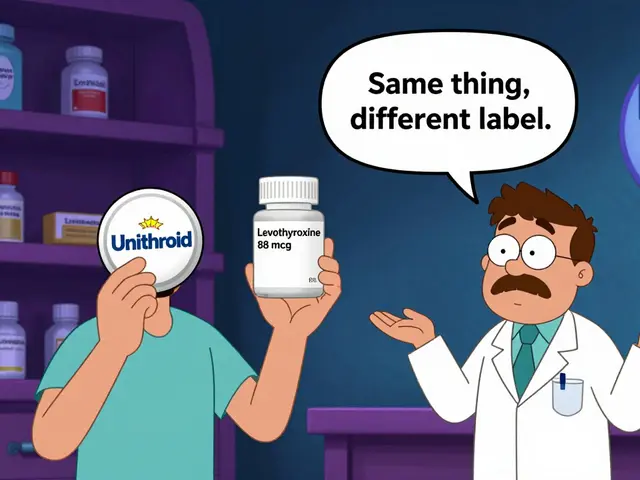
Imagine you’re handed a pill that looks completely different from the one you’ve been taking for years. Same name, same dose, same doctor’s order-but it’s a different color, shape, and maybe even a different brand on the label. You pause. Is this really the same? Is it safe? You’re not alone. In 2016, a CVS Health survey found that 87% of patients had doubts about generic drugs. Many believed they were weaker, less effective, or even made in inferior factories. The truth? The FDA requires generics to be identical in active ingredient, strength, and how they work in your body. But perception still lags behind science.
What the FDA Really Says About Generic Drugs
The U.S. Food and Drug Administration doesn’t just approve generics-they demand proof. Every generic drug must match the brand-name version in active ingredient, dosage form, strength, and how it’s taken (pill, injection, etc.). But the real test? Bioequivalence. That means the generic must deliver the same amount of medicine into your bloodstream at the same rate as the brand. The FDA’s standard? The generic’s absorption must fall between 80% and 125% of the brand’s. That’s not a guess-it’s measured in clinical studies with real people. Over 1,000 generic applications are reviewed each year. And every single one must pass this bar.
There’s no secret loophole. No cheaper shortcuts. The FDA’s 2022 guidance for bioequivalence studies is strict, detailed, and publicly available. Generics aren’t copies-they’re scientifically verified twins. And they’re held to the same manufacturing standards. If a brand-name factory fails an inspection, it gets shut down. The same goes for generic manufacturers. The FDA inspects over 3,500 facilities worldwide each year. Quality isn’t optional.
The Real Savings-And Why It Matters
Generics aren’t just safe. They’re a lifeline. On average, they cost 80-85% less than brand-name drugs. That’s not a small difference. It’s what keeps people from skipping doses, filling prescriptions late, or skipping care entirely. In 2022, generics saved the U.S. healthcare system $377 billion. That’s more than the annual GDP of over 150 countries.
For a person on insulin, blood pressure meds, or cholesterol pills, switching to a generic can mean saving $300-$600 a year. For seniors on Medicare, that’s groceries, heat, or bus fare. A 2021 Health Affairs study tracking 3.2 million low-income patients found that switching to generics improved medication adherence by 22%. That’s not just money saved-it’s fewer hospital visits, fewer complications, fewer lives lost.

Why Do Some Patients Still Resist?
It’s not about science. It’s about appearance. A 2022 University of Michigan survey of 1,247 patients found that 23% questioned whether a generic was real because it looked different. Some even thought the change meant their condition was worsening. One woman told her pharmacist, “I’ve been taking this blue pill for ten years. Now it’s white? I don’t trust it.” She didn’t know the brand had changed suppliers. The generic was identical-but her brain didn’t believe it.
Then there’s the nocebo effect-the flip side of placebo. A 2021 Annals of Internal Medicine study showed patients who were told they were switching to a generic reported side effects at a rate 18.7% higher than those who didn’t know. The drug was the same. The side effects weren’t. The belief created the symptoms.
And it’s not just patients. Prescribers matter too. A 2022 JAMA Internal Medicine study found that when doctors said, “This generic works just as well,” patient acceptance jumped from 52% to 89%. When they didn’t mention it? Patients assumed the worst.
What Works in Community Health Presentations
Community health centers in Miami, Burlington, and rural Ohio have been running simple, effective presentations using the FDA’s Generic Drug Stakeholder Toolkit. The key? Not just handing out brochures. It’s conversation. The toolkit teaches providers to use the “Teach-Back” method: explain, then ask the patient to repeat it in their own words.
Example: “The FDA says this generic has the same medicine as your old pill. It’s not a different drug. It’s the same, just cheaper. Can you tell me how you’d explain that to your neighbor?”
That method increased patient understanding by 28-42% in clinical trials. It’s not magic. It’s clarity. And it works across languages, education levels, and ages.
One clinic in Florida started showing a 3-minute FDA video-“Generics 101”-during check-ins. Within six months, patient acceptance of generics rose by 37%. No lectures. No jargon. Just facts, shown simply.

Where Generics Struggle-and Why
Not all drugs are treated the same. In heart disease, generics are the norm. Over 95% of prescriptions are generic. But in mental health and epilepsy? Only about 68%. Why? Because the stakes feel higher. Patients fear a tiny difference could trigger a seizure or a mood crash.
There’s one study that fuels this fear: a 2023 paper in Epilepsy & Behavior found a slightly higher seizure rate when patients switched from brand to generic antiepileptic drugs. But here’s what the study didn’t say: the difference was small-12.7% higher-but the American Academy of Neurology says this is an outlier. They point out that 99% of the time, generics work just fine. The real issue? Switching too often. Patients who bounce between brands and generics every few months have more trouble than those who stick with one.
The takeaway? Don’t switch unless you need to. And if you do, talk to your doctor first. Don’t assume a change means danger.
The Future of Generic Education
Things are changing fast. Starting January 1, 2025, Medicare Part D plans must give every beneficiary standardized education about generics. That’s over 60 million people. The FDA’s new “Generics 101” video series, aimed at seniors, is already showing a 31% improvement in knowledge retention among viewers over 65.
The Association for Accessible Medicines has handed out 2.7 million brochures through 14,300 community centers. And the National Association of Community Health Centers now requires all patient counseling sessions to include generic education. It’s no longer optional. It’s standard care.
Even international standards match up. The European Medicines Agency confirms U.S. and EU generics follow the same quality rules. If it’s approved in the U.S., it’s approved the same way in Germany, France, or Spain.
What You Can Do Today
If you’re on a brand-name drug, ask: “Is there a generic?” If your doctor says no, ask why. Is it because there isn’t one-or because they don’t know?
If you’re a community health worker, use the FDA’s free toolkit. Don’t just hand out a sheet. Talk. Ask. Listen. Use the Teach-Back method. Show the video. Make it real.
If you’re a patient who’s skeptical-ask for the facts. Look up your drug on the FDA’s website. See the approval letter. Read the bioequivalence data. You don’t need a degree to understand it. You just need to ask.
Generics aren’t second choice. They’re the standard. And for most people, they’re the smartest, safest, and most affordable way to stay healthy.
Are generic drugs really as safe as brand-name drugs?
Yes. The FDA requires generic drugs to have the exact same active ingredient, strength, dosage form, and route of administration as the brand-name version. They must also meet the same strict manufacturing standards. Before approval, every generic must pass bioequivalence testing-proving it delivers the same amount of medicine into your bloodstream at the same rate. Over 90% of prescriptions filled in the U.S. are generics, and they’ve been used safely for over 40 years.
Why do generic pills look different from brand-name ones?
By law, generic drugs can’t look exactly like the brand-name version because of trademark rules. That means the color, shape, size, or markings might be different. But the medicine inside is identical. The inactive ingredients-like dyes or fillers-can vary, but they don’t affect how the drug works. If you’re confused by the change, ask your pharmacist. They can show you the FDA’s fact sheet comparing the two.
Can switching to a generic cause side effects?
The generic drug itself won’t cause new side effects-it’s the same medicine. But some people report side effects after switching because they believe the generic is inferior. This is called the nocebo effect. A 2021 study showed patients told they were switching to a generic reported side effects 18.7% more often than those who weren’t told. If you feel worse after switching, talk to your provider. It’s rarely the drug-it’s the belief.
Are there any drugs where generics don’t work as well?
For nearly all drugs, generics work just as well. But for a very small number of complex medications-like certain epilepsy drugs or inhalers-switching between brands and generics can sometimes cause issues, especially if done frequently. This isn’t because generics are weaker. It’s because the body needs to adjust to even tiny differences in how the drug is absorbed. The American Academy of Neurology and FDA both say these cases are rare exceptions. Always talk to your doctor before switching, especially for critical medications.
How can I find out if a generic is available for my drug?
Visit the FDA’s website and search your drug name in the “Drugs@FDA” database. You’ll see if a generic is approved and who makes it. Your pharmacist can also tell you. Most insurance plans automatically switch you to generics unless your doctor says otherwise. If you’re unsure, ask: “Is there a generic version? How much will it save me?”
Why do some doctors hesitate to prescribe generics?
Most doctors fully support generics. But some avoid prescribing them because they’ve seen patients react negatively-either because of appearance changes or misinformation. Others may not know a generic exists yet, especially for newer brand drugs. A 2022 study showed that when doctors clearly recommended generics, patient acceptance jumped from 52% to 89%. If your doctor doesn’t mention generics, ask. Your health and wallet will thank you.