Vitiligo Phototherapy: What It Is, How It Works, and What to Expect
When your skin loses pigment in patches, vitiligo phototherapy, a medical treatment that uses ultraviolet light to stimulate pigment-producing cells in the skin. Also known as light therapy for vitiligo, it’s one of the most common and effective ways to regain color in affected areas. Unlike creams or surgeries, this approach targets the root issue—missing melanocytes—by gently waking them up with precise doses of light.
This treatment isn’t one-size-fits-all. narrowband UVB, a specific type of ultraviolet B light that’s safer and more effective than older broad-spectrum UV is now the gold standard. It’s used in clinics and even at home with doctor-approved devices. For some, especially those with darker skin or stubborn patches, doctors add psoralen, a light-sensitizing compound taken orally or applied to the skin before UV exposure to boost results. This combo, called PUVA, works but comes with more side effects, so it’s usually reserved for cases where UVB alone doesn’t cut it.
How fast does it work? Most people start seeing tiny dots of color returning after 4 to 8 weeks. Full repigmentation can take 6 to 12 months—and not everyone gets 100% back. Success depends on where the patches are (face and neck respond better than hands and feet), how long you’ve had vitiligo, and your skin tone. It’s not a cure, but for many, it’s life-changing. You’ll need to show up 2–3 times a week, and while it’s not painful, your skin might get red or itchy. Sunburns are a real risk, so you’ll need to protect unaffected skin.
What you won’t find in most guides? The truth about consistency. Missing sessions slows progress. Skipping weeks means starting over mentally and physically. And while some try tanning beds or natural sunlight, those are dangerous and won’t give you the controlled dose your skin needs. Stick to the plan your dermatologist sets.
There’s no magic here—just science, patience, and repetition. The posts below cover real experiences, safety tips, what to ask your doctor before starting, and how to tell if the treatment is actually working for you. You’ll find stories from people who’ve been through it, advice on managing side effects, and what newer options are emerging. Whether you’re just curious or already in treatment, this collection gives you the no-fluff facts you need to move forward.
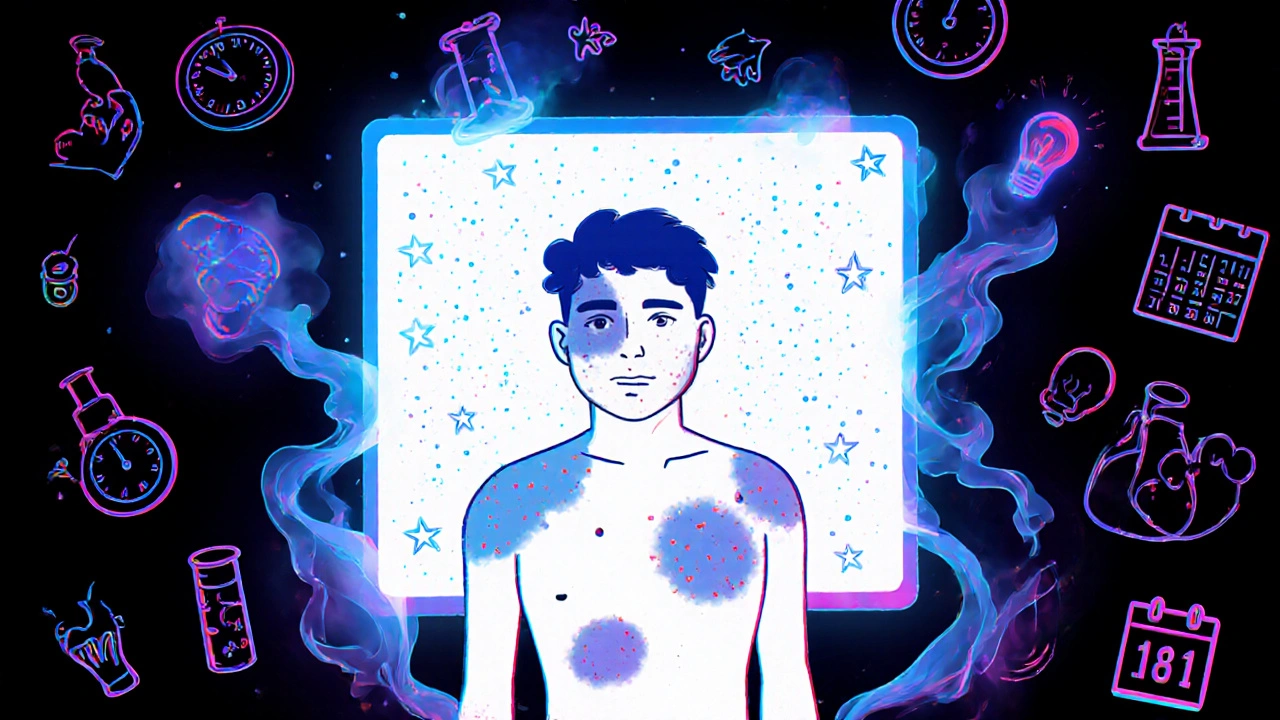
Vitiligo Treatment: How Phototherapy Works and Why It’s Combined with Topical Therapies
Phototherapy, especially NB-UVB, is the most effective treatment for vitiligo repigmentation. It works best when combined with topical creams like ruxolitinib or calcineurin inhibitors. Results take months, vary by body area, and require consistent treatment.