Paragraph IV Certification: What It Means for Generic Drugs and Drug Prices
When a generic drug company files for approval to sell a cheaper version of a brand-name medicine, they often submit a Paragraph IV certification, a legal notice filed with the FDA to challenge an existing drug patent. Also known as a Paragraph IV notice, this step is a key part of the Hatch-Waxman Act, a 1984 law designed to balance drug innovation with affordable access. Without this certification, generic drugs can’t enter the market until the brand-name patent expires—sometimes years later. But with it, generic makers can move in sooner, triggering a 180-day exclusivity period for the first challenger and forcing price drops across the board.
This system doesn’t just help patients save money—it reshapes how pharmaceutical companies protect their products. Many brand-name drugmakers rely on what’s called a "patent thicket," stacking dozens of minor patents on a single drug to delay generics. A Paragraph IV certification, a formal legal challenge to the validity or infringement of a patent forces them to defend those patents in court. If the generic company wins, the patent is invalidated, and the cheaper version floods the market. If they lose, they still gain valuable insight into how the patent might be circumvented. Either way, the process keeps pressure on drug prices. The ANDA, Abbreviated New Drug Application, the filing pathway for generic drugs is the paperwork that includes this certification, and it’s where the real battle begins—not in a lab, but in a courtroom.
What you’ll find in the posts below isn’t just technical jargon—it’s real-world impact. You’ll see how patent challenges delay or speed up access to generics like insulin or cholesterol meds. You’ll learn why some generic drugs take years to appear after patent expiry, and how companies use legal loopholes to keep prices high. You’ll also see how bioequivalence studies, supply chain issues, and insurance rules tie into whether a cheaper version actually reaches your pharmacy shelf. This isn’t about legal theory—it’s about whether your next prescription costs $5 or $500. The system is complex, but the stakes are simple: your wallet and your health.
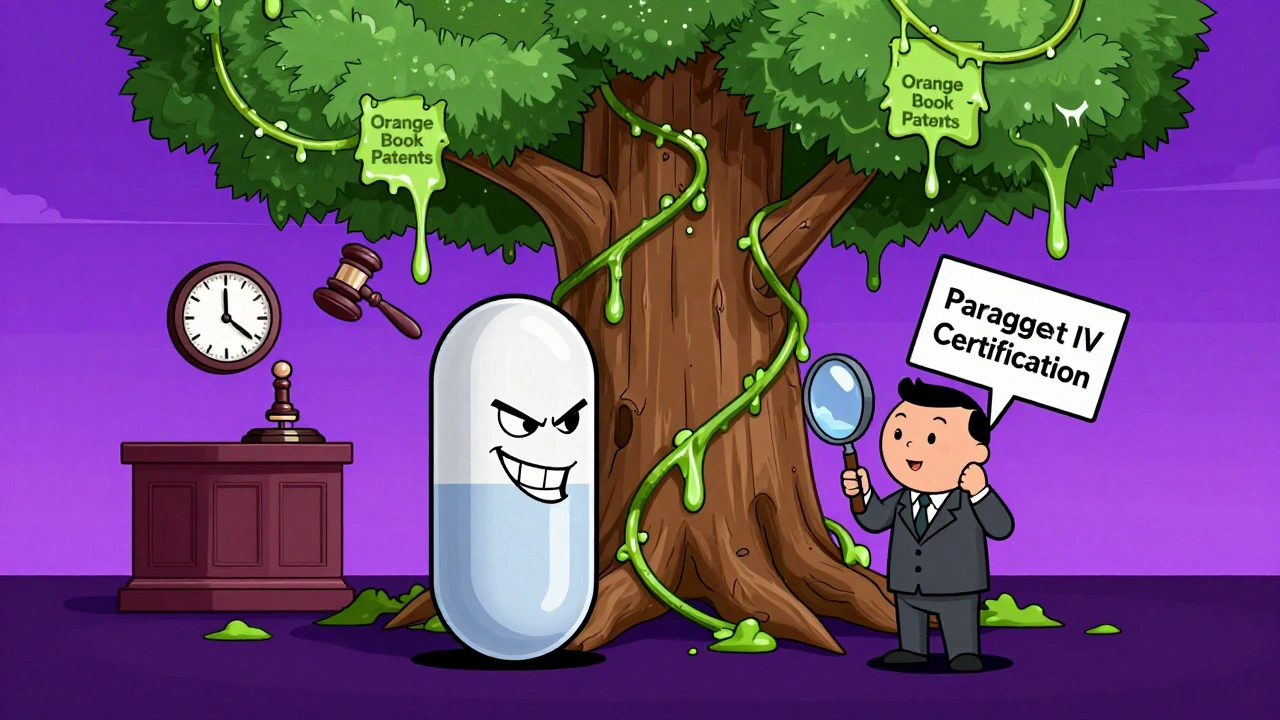
Paragraph IV Certifications: How Generic Drug Makers Legally Challenge Brand Patents
Paragraph IV certifications let generic drug makers legally challenge brand-name drug patents before they expire. This Hatch-Waxman Act mechanism triggers lawsuits, grants 180-day exclusivity to winners, and has saved U.S. consumers over $1.7 trillion since 1984.