Insomnia Treatment: Effective Solutions and What Actually Works
When you can’t sleep, it’s not just annoying—it messes with your mood, focus, and health. Insomnia treatment, the range of strategies used to help people fall and stay asleep when they’re chronically unable to. Also known as sleep disorder management, it’s not one-size-fits-all. Some people need simple habit changes. Others need medical help. And too many waste time on pills that don’t work long-term.
What most people don’t realize is that cognitive behavioral therapy for insomnia, a structured, evidence-based approach that rewires how you think about sleep is actually the first-line recommendation from sleep specialists—not pills. It works better than sleeping pills over time, and it doesn’t leave you groggy or dependent. Meanwhile, sleep hygiene, the daily habits that either support or wreck your sleep isn’t just about avoiding caffeine. It’s about light exposure, bedtime routines, and even how you use your bed. If you scroll on your phone in bed, you’re training your brain to associate it with wakefulness, not rest.
And then there’s the elephant in the room: sleep medications, prescription and over-the-counter drugs meant to induce sleep. Some help short-term, like after a trauma or during a major life shift. But long-term use? It often makes insomnia worse. Statins, antidepressants, even some heart meds can quietly steal your sleep—something you might not connect until you stop taking them. That’s why a good insomnia treatment plan starts with looking at everything you’re taking, not just adding another pill.
What you’ll find in these posts isn’t fluff or miracle cures. It’s real talk from people who’ve been there. You’ll see how insomnia treatment ties into things like statin side effects, antidepressant risks, and even how your gut health might be keeping you awake. No vague advice. No hype. Just clear, practical info on what helps, what doesn’t, and why.
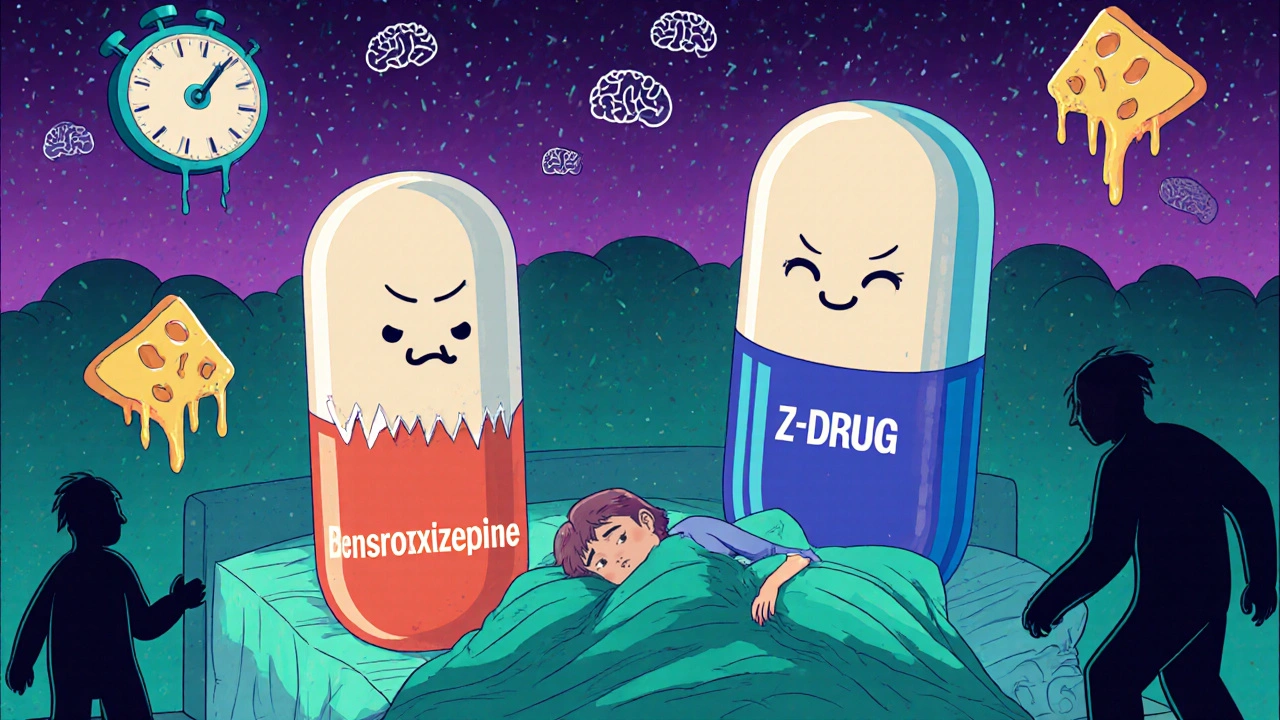
Sedative-Hypnotics: Benzodiazepines vs. Non-Benzodiazepines for Sleep
Benzodiazepines and non-benzodiazepines are commonly prescribed for insomnia, but both carry serious risks including memory loss, falls, and addiction. Learn why experts now recommend therapy over pills.