Generalized Anxiety: Causes, Treatments, and What You Need to Know
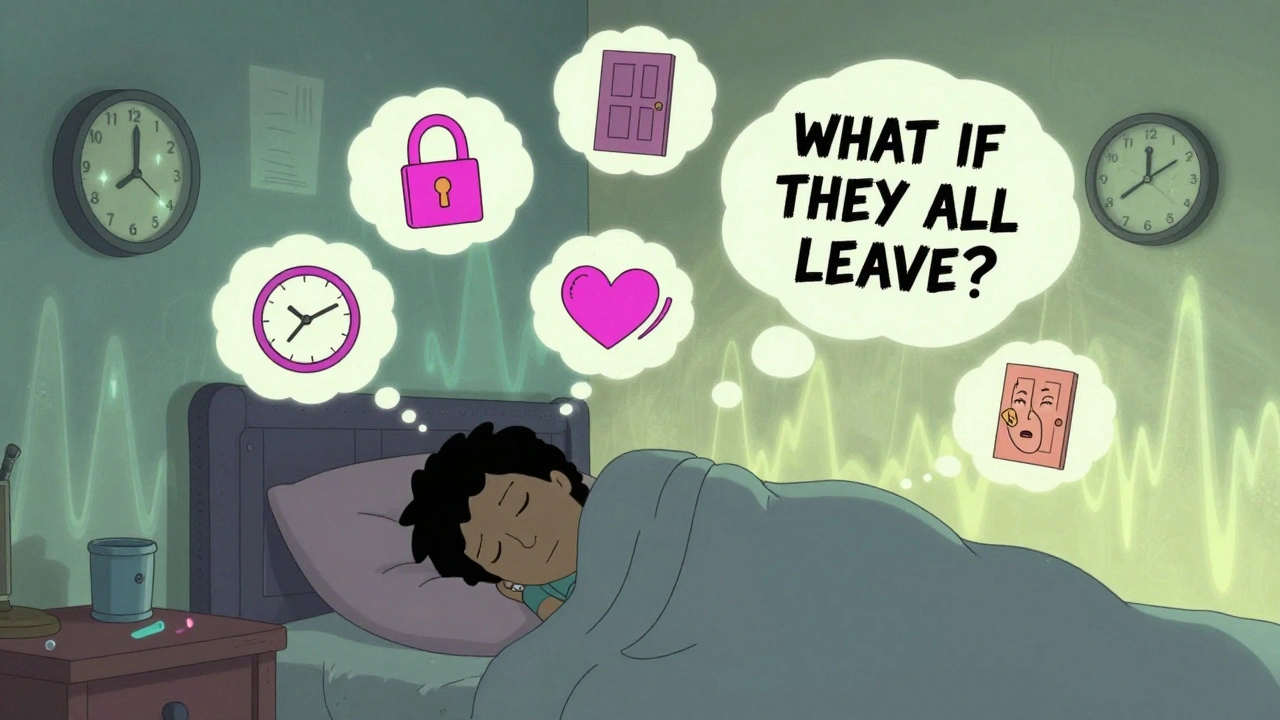
When you can’t stop worrying—about work, health, money, or even things that haven’t happened yet—you might be dealing with generalized anxiety, a chronic condition marked by excessive, uncontrollable worry that lasts for months and interferes with daily life. Also known as GAD, it’s one of the most common anxiety disorders, affecting nearly 7 million adults in the U.S. alone. Unlike normal stress, generalized anxiety doesn’t fade after the problem is solved. It sticks around, often getting worse when you’re tired, sick, or under pressure.
This isn’t just "being nervous." People with generalized anxiety often feel restless, on edge, or like something bad is always about to happen. They might struggle to concentrate, have trouble sleeping, or feel muscle tension that won’t go away. SSRIs, a class of antidepressants that increase serotonin levels in the brain like sertraline and escitalopram are often the first-line treatment because they help regulate mood without the risk of dependence. But they don’t work overnight—most people need 4 to 6 weeks to feel real improvement.
Another key player is cognitive behavioral therapy, a structured, time-limited therapy that teaches you how to identify and change thought patterns that fuel anxiety. Studies show it’s as effective as medication for many people, and the benefits last longer after treatment ends. It’s not about "thinking positive"—it’s about learning to question the truth behind your worries. For example, if you think "I’ll lose my job if I make one mistake," CBT helps you test that idea with evidence instead of fear.
Some doctors still prescribe benzodiazepines, fast-acting sedatives like alprazolam or clonazepam that reduce anxiety quickly for short-term relief. But they come with big risks: tolerance, withdrawal, and a high chance of misuse. Experts now recommend them only when other options fail—and even then, for no more than a few weeks.
What you won’t find in most articles is how lifestyle factors tie into this. Poor sleep, caffeine overload, and lack of movement can make generalized anxiety worse—even if you’re taking your meds. On the flip side, regular walking, reducing screen time before bed, and learning to breathe slowly can help your brain reset. It’s not a cure, but it’s a foundation.
You’ll see posts here about how certain drugs interact with anxiety symptoms, what happens when you switch medications, and how insurance covers therapy or prescriptions. Some cover how SSRIs affect sleep, others explain why stopping benzodiazepines cold turkey can be dangerous. There’s no magic fix, but there are real, tested ways to take back control. What follows isn’t just a list of articles—it’s a roadmap for people who are tired of feeling like they’re always on high alert, and want to know what actually works.
Anxiety Disorders: Types, Symptoms, and Evidence-Based Treatments
Anxiety disorders affect nearly 1 in 5 U.S. adults. Learn the seven main types, their physical and mental symptoms, and the evidence-based treatments - from CBT to SSRIs - that actually work.