Gallbladder Pain: Causes, Signs, and What to Do Next
When you feel a sharp, steady ache under your right ribs—especially after eating fatty food—it might be your gallbladder, a small organ that stores bile to help digest fats. Also known as biliary pain, this discomfort doesn’t always come with fever or nausea, but it’s often a sign something’s wrong with how your body handles digestion. Gallbladder pain isn’t just a stomach upset. It’s usually tied to gallstones, hard deposits that form in the gallbladder from cholesterol or bile salts. These stones can block the ducts that carry bile to your small intestine, causing sudden, intense pain that lasts from minutes to hours. Many people mistake it for heartburn or indigestion, but gallbladder pain tends to radiate to the back or right shoulder and doesn’t go away with antacids.
If the blockage sticks around, it can lead to cholecystitis, inflammation of the gallbladder wall, often from trapped bile and infection. This isn’t just uncomfortable—it’s dangerous. Signs include fever, chills, jaundice (yellow skin or eyes), and pain that lasts more than a few hours. Bile duct obstruction, when stones or swelling block the tube carrying bile from liver to intestine, can cause similar symptoms and may lead to serious infections if ignored. You don’t need to wait for a crisis to act. Even mild, recurring pain after meals is worth checking out, especially if you’re over 40, female, overweight, or have a family history of gallbladder issues.
What you’ll find below aren’t generic remedies or miracle cures. These are real, practical guides from people who’ve been there—how to tell if your pain is gallbladder-related, what tests doctors actually use, why some meds help and others don’t, and how to prepare if surgery becomes necessary. Some posts cover how to manage symptoms without removing the gallbladder. Others explain what happens after removal, and how diet changes can make a difference. No fluff. No marketing. Just clear, evidence-backed info that helps you understand what’s going on and what to do next.
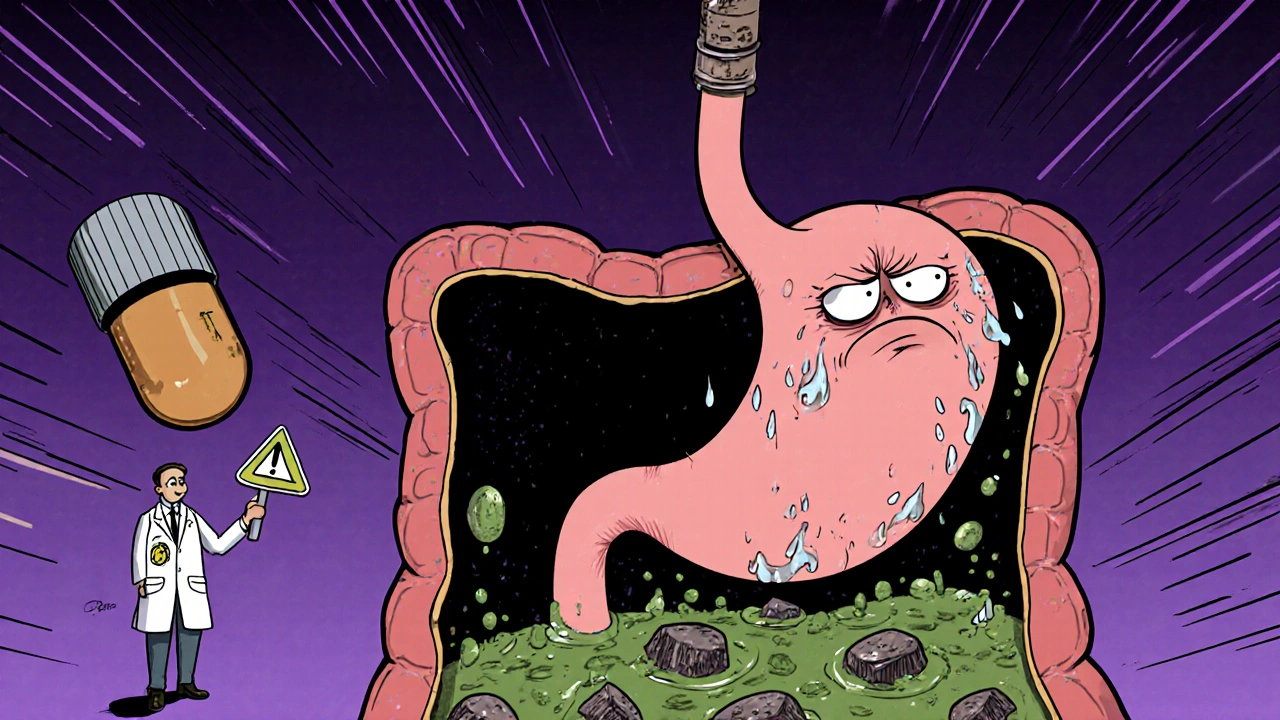
GLP-1 Agonists and Gallbladder Disease: Recognizing Abdominal Pain Red Flags
GLP-1 agonists like Ozempic and Wegovy can increase gallbladder disease risk, especially with rapid weight loss. Learn the red flags of abdominal pain, who’s most at risk, and what to do if symptoms appear.