ANDA Patent Challenge: How Generic Drugs Beat Brand-Name Exclusivity
When a brand-name drug’s patent runs out, it doesn’t automatically mean a cheaper generic hits the shelf. That’s where the ANDA patent challenge, a legal process under the Hatch-Waxman Act that allows generic manufacturers to challenge existing drug patents before they expire. Also known as Paragraph IV certification, it’s the main way generic companies force faster access to affordable meds. Without this system, patients could wait years longer for low-cost versions of drugs like statins, antidepressants, or insulin—even after the original patent legally expires.
The Hatch-Waxman Act, a 1984 U.S. law that balanced drug innovation with generic competition created the ANDA pathway: generic makers don’t have to repeat expensive clinical trials. Instead, they prove their version is bioequivalent, meaning it delivers the same amount of active ingredient into the bloodstream at the same rate as the brand drug. But here’s the catch: if the brand company claims a new patent on the drug’s use, coating, or delivery method, the generic maker can file a challenge. If they win, they get 180 days of exclusive rights to be the first generic on the market. That’s why some generics appear months or even years after the original patent expires—legal battles drag on, and companies play a high-stakes game of timing and strategy.
These challenges aren’t just corporate drama. They directly affect your prescription costs. A single ANDA challenge can drop the price of a drug from $300 a month to under $10. But delays happen—patent thickets, lawsuits, and regulatory backlogs can hold back generics for years. That’s why some drugs you think should be cheap still aren’t. The system works, but it’s messy. Below, you’ll find real-world examples of how this plays out: from how long it takes for a generic to appear after patent expiration, to why some Indian manufacturers dominate the space, and how age and sex in bioequivalence studies can delay approvals. This isn’t theory. It’s the hidden engine behind every generic pill you pick up at the pharmacy.
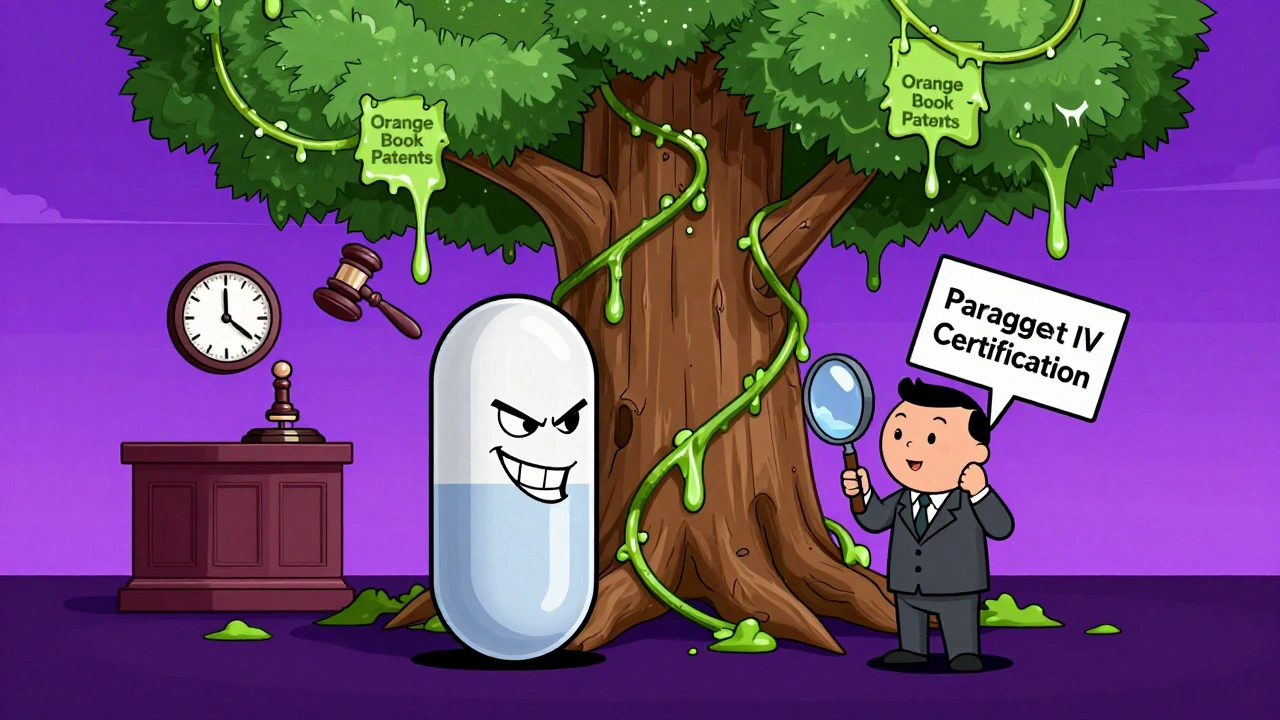
Paragraph IV Certifications: How Generic Drug Makers Legally Challenge Brand Patents
Paragraph IV certifications let generic drug makers legally challenge brand-name drug patents before they expire. This Hatch-Waxman Act mechanism triggers lawsuits, grants 180-day exclusivity to winners, and has saved U.S. consumers over $1.7 trillion since 1984.