
Imagine waking up every day feeling like your head is trapped in a vice, your nose is permanently blocked, and a thick layer of mucus is clinging to the back of your throat. For people with allergies, this isn't just a "bad cold"-it's a frustrating cycle where environmental triggers turn a simple sneeze into a full-blown sinus infection. Dealing with sinusitis in allergy sufferers is the inflammation of the paranasal sinuses that often occurs alongside allergic reactions. When your immune system overreacts to pollen or dust, it doesn't just irritate your nose; it can block the drainage pathways of your sinuses, trapping fluid and creating a breeding ground for bacteria.
If you've been popping over-the-counter pills for weeks with no relief, you're not alone. The reality is that treating the sinus pressure without addressing the underlying allergy is like mopping a floor while the faucet is still running. To actually get clear air again, you need a two-pronged attack: calming the allergic response and clearing the sinus cavities.
Quick Wins for Sinus and Allergy Relief
Before moving into heavy-duty medical interventions, there are a few immediate steps that can break the cycle of inflammation. The goal here is to keep mucus moving and reduce the swelling of the nasal membranes.
- Saline Irrigation: Using a neti pot or a squeeze bottle like NeilMed is a game-changer. By flushing out allergens and thick mucus, you manually clear the "pipes." Just remember: never use plain tap water. Use distilled or previously boiled water to avoid extremely rare but dangerous brain infections.
- Environmental Control: Simple changes, like using HEPA filters in the bedroom or keeping windows closed during high-pollen days, can reduce the frequency of sinus flare-ups by 40-60%.
- Hydration: Drinking plenty of water thins the mucus, making it much easier for your sinuses to drain naturally.
First-Line Medical Treatments
When lifestyle changes aren't enough, it's time for targeted medication. Not all nasal sprays are created equal, and choosing the wrong one can lead to a waste of time and money.
For most people, nasal corticosteroids are the gold standard. Unlike decongestant sprays (which can cause "rebound congestion" if used for more than three days), corticosteroids like fluticasone (Flonase) or mometasone (Nasonex) actually treat the inflammation. A study in the Journal of Allergy and Clinical Immunology showed that these sprays reduced symptoms by 65%, significantly beating out oral antihistamines like cetirizine, which only saw a 42% reduction.
The catch? They aren't instant. You usually need to use them consistently for 2 to 4 weeks before you feel the full effect. Many people quit after a few days because they don't feel an immediate difference, but consistency is where the magic happens.
| Treatment Type | Primary Goal | Efficacy (Allergy-Related) | Typical Timeline |
|---|---|---|---|
| Nasal Corticosteroids | Reduce inflammation | High (65% reduction) | 2-4 weeks for full effect |
| Antibiotics | Kill bacterial infection | Low (35-45%) | 5-10 days |
| Immunotherapy | Desensitize immune system | Very High (60-70%) | 3-5 years |
| Biologics | Target specific proteins | High (especially for polyps) | Ongoing (every 2-4 weeks) |

When Antibiotics Are (and Aren't) the Answer
There is a common misconception that every sinus infection needs a Z-Pak. In reality, many allergy-triggered cases are non-bacterial. If you have an allergic reaction that leads to sinus blockage, the resulting inflammation isn't caused by a germ, so antibiotics won't do anything. In fact, antibiotics only work in about 35-45% of allergy-related sinusitis cases.
However, if you develop a bacterial superinfection-characterized by a high fever, tooth pain, or symptoms that suddenly get worse after initially improving-doctors may prescribe amoxicillin. While helpful for the bacteria, the antibiotic doesn't fix the allergy, meaning the infection will likely return as soon as the pollen count rises again unless the underlying trigger is managed.
Advanced Therapies for Refractory Cases
Some people have what doctors call "refractory" sinusitis, meaning it doesn't respond to standard sprays or pills. This often involves nasal polyps-small, noncancerous growths that block the nasal passages. In these severe cases, traditional medicine isn't enough.
This is where biologic therapies come into play. Drugs like dupilumab (Dupixent) target the specific biological pathways of inflammation. They are incredibly effective-some trials show a 73% reduction in polyp size-but they come with a steep price tag, often around $3,500 per month without insurance.
For those looking for a more permanent solution, allergy immunotherapy (allergy shots) can be a lifesaver. Instead of just treating the symptoms, immunotherapy retrains your immune system to stop overreacting to allergens. While it requires a multi-year commitment, it has a 60-70% long-term success rate in preventing sinusitis from ever coming back.
Knowing When to Refer to an ENT Specialist
You don't always need a specialist, but there is a point where a general practitioner's tools aren't enough. If you're just managing seasonal sniffles, your primary doctor is great. But if you're dealing with chronic issues, you need an Otolaryngologist (ENT).
You should seek a referral if you experience any of the following:
- Treatment Failure: You've used the correct nasal sprays and saline rinses for 6 weeks with no improvement.
- Frequent Recurrence: You have four or more distinct episodes of sinusitis per year.
- Physical Blockages: You suspect you have nasal polyps (feeling like you can't breathe through one or both nostrils regardless of medication).
- Severe Symptoms: You have vision changes, severe swelling around the eyes, or a persistent high fever, which could indicate orbital or intracranial complications.
- Fungal Suspicions: You live in a mold-prone environment and have symptoms that don't respond to standard antibiotics.
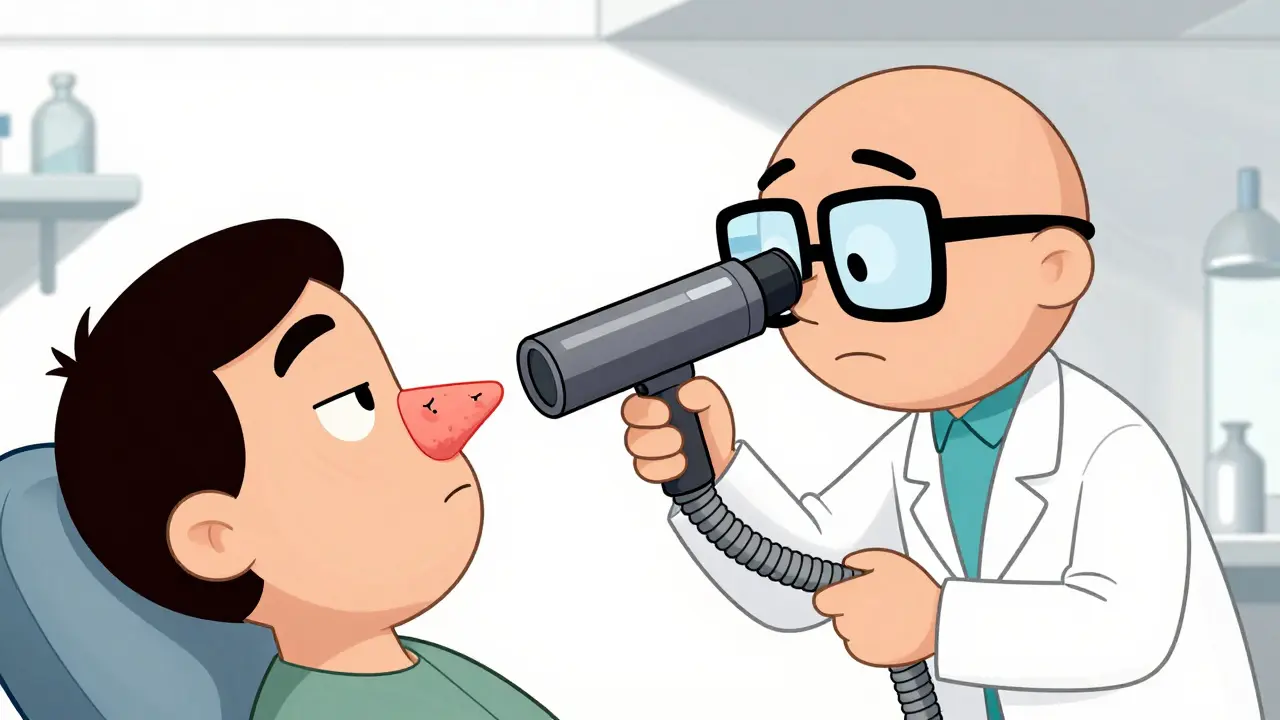
Once you see an ENT, they will likely perform a nasal endoscopy. This involves a small camera that allows them to see exactly where the blockage is and whether you have mucosal edema or polyps, which are present in up to 90% of chronic cases.
The Path to Long-Term Recovery
Breaking the cycle of allergy-induced sinusitis requires patience. It's not as simple as taking a pill and being cured. The most successful approach is integrated: use nasal corticosteroids to keep inflammation down, employ saline rinses to clear debris, and consider immunotherapy to fix the root cause. If surgery is eventually needed, it has an 85% success rate, though allergy sufferers have a slightly higher chance of recurrence than non-allergic patients, making long-term allergy management even more critical post-op.
How long does it take for nasal sprays to work for sinusitis?
Nasal corticosteroids typically take 2 to 4 weeks of consistent, daily use to reach their maximum effectiveness. They are not "instant" relief sprays, but they provide long-term reduction in inflammation.
Can I use a Neti pot with tap water?
No. You should only use distilled, sterile, or previously boiled water. Using untreated tap water can lead to rare but fatal infections caused by organisms like Naegleria fowleri.
Why are antibiotics often ineffective for allergy-related sinusitis?
Antibiotics only kill bacteria. In allergy sufferers, the sinusitis is often caused by inflammation and swelling that blocks the sinuses, not by a bacterial infection. In these cases, antibiotics only show about 35-45% effectiveness.
What are nasal polyps and how are they treated?
Nasal polyps are soft, painless growths on the lining of your nasal passages. They are treated with high-dose corticosteroids, biologic medications like dupilumab, or surgical removal by an ENT.
Do allergy shots really prevent sinus infections?
Yes, immunotherapy (allergy shots) has a 60-70% efficacy rate in preventing sinusitis recurrence by reducing the body's overall allergic sensitivity, though it requires several years of treatment.