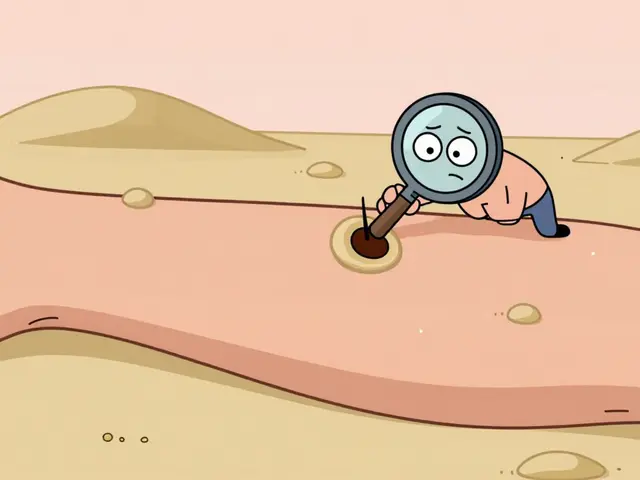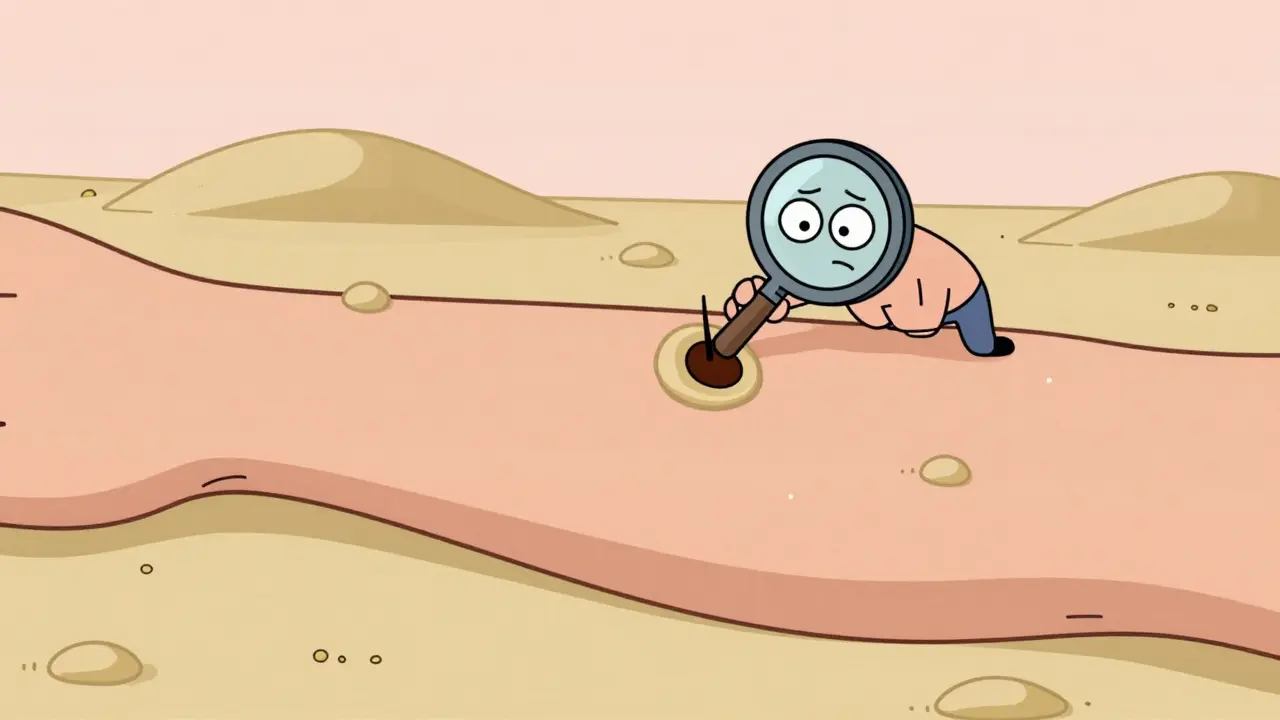
You might have noticed tiny, sandpaper-like bumps on the back of your arms or thighs that just won't go away. It looks a bit like goosebumps that never subsided, or what some people call "chicken skin." If that sounds familiar, you're likely dealing with Keratosis Pilaris is a common, benign skin condition where keratin plugs block the opening of hair follicles. It's not an allergy, it's not contagious, and it certainly isn't a sign of poor hygiene. In fact, it's incredibly common-affecting up to 70% of teenagers and about 40% of adults worldwide.
The good news is that while there isn't a "magic cure" that makes it vanish forever, you can absolutely get your skin feeling smooth again. The trick is moving away from harsh scrubbing and focusing on chemical exfoliation and deep hydration. Here is everything you need to know to manage those bumps effectively.
What Exactly Is Happening to Your Skin?
To fix the bumps, you have to understand why they are there. Your skin produces a protein called Keratin, which protects the outer layer of your skin. In people with KP, the body produces too much of it. Instead of shedding normally, the keratin builds up and forms a hard plug in the hair follicle. This creates the physical bump you feel.
For many, this is linked to genetics. Specifically, mutations in the filaggrin gene can compromise your skin barrier, making it harder for your skin to retain moisture and shed cells. This is why you'll often see KP appearing alongside atopic eczema or other dry skin conditions. You might also notice that your skin gets significantly rougher in the winter. When humidity drops below 40%, your skin loses water faster, causing those plugs to harden and become more visible.
The Best Ingredients for Smoothing Bumps
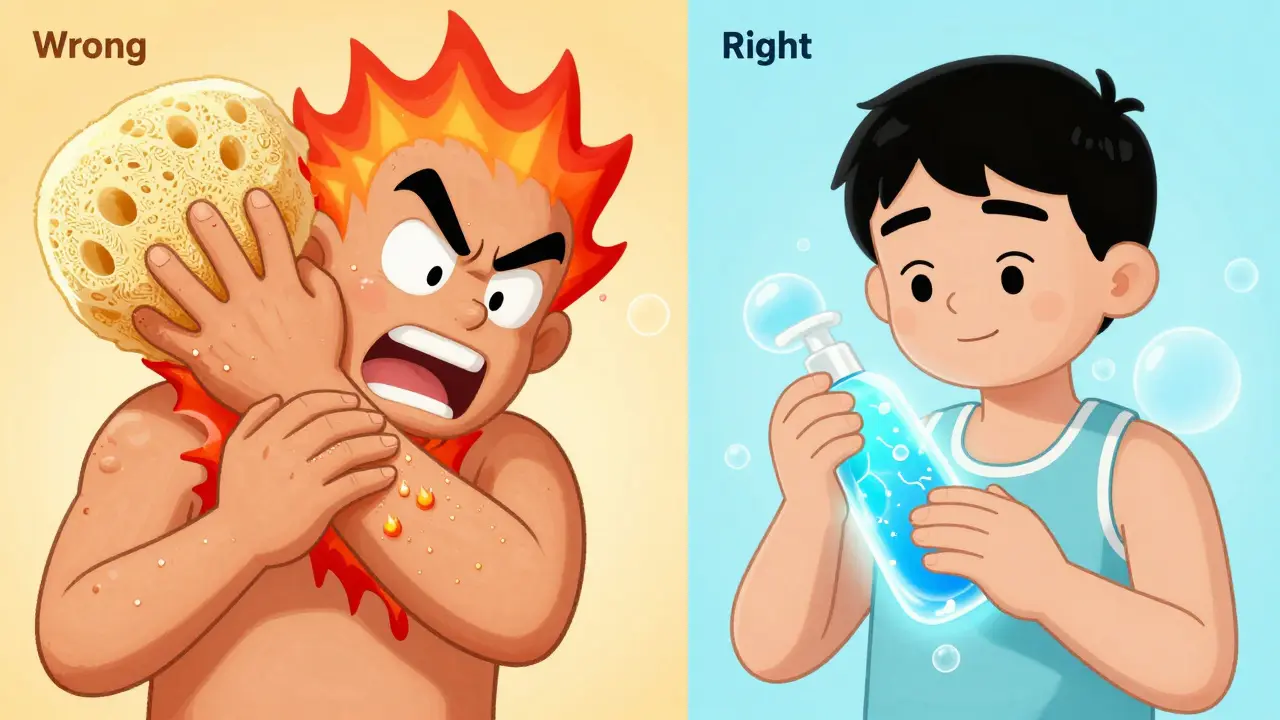
If you try to scrub these bumps away with a loofah or a harsh salt scrub, you're actually making things worse. Aggressive scrubbing can lead to inflammation and dark spots (post-inflammatory hyperpigmentation). Instead, you want "chemical exfoliants" that dissolve the keratin glue holding the plug together.
Here are the heavy hitters you should look for in your lotions:
- Lactic Acid: This is a gold standard for KP. It exfoliates the surface while humming as a humectant to pull moisture into the skin. Products with 10-12% concentration often show visible results in about a month.
- Urea: Not only does urea exfoliate, but it also breaks down the keratin protein specifically. Concentrations between 10-20% are highly effective for those with very thick, scaly patches.
- Salicylic Acid: This is a beta-hydroxy acid (BHA) that can penetrate deeper into the follicle to clear out the plug. It's great for the more "clogged" feeling bumps.
- Retinoids: Prescription-strength tretinoin can speed up cell turnover, though it's more intense and can cause irritation if you aren't careful.
| Ingredient | Primary Action | Typical Strength | Expected Result Time |
|---|---|---|---|
| Lactic Acid | Exfoliation + Hydration | 10-12% | 4-6 Weeks |
| Urea | Keratolytic (Breaks Protein) | 10-20% | 8 Weeks |
| Glycolic Acid | Surface Smoothing | 8-12% | 12 Weeks |
| Retinoids | Cell Turnover | 0.025-0.1% | 3-6 Months |
Your Daily Smoothing Routine
Consistency is the only way to keep KP under control. If you stop your routine for a few weeks, the bumps almost always return because your body continues to produce that excess keratin. Here is the most effective way to structure your day:
- The Luke-Warm Wash: Avoid hot showers, which strip your skin of oils and trigger flares. Use lukewarm water and a gentle, fragrance-free cleanser.
- The Three-Minute Window: This is a pro tip. Your skin is most permeable to treatments immediately after bathing. Pat your skin dry so it's still slightly damp, and apply your exfoliating lotion within three minutes.
- Layer with Ceramides: If your exfoliating lotion feels drying, layer a Ceramide-rich moisturizer on top. Ceramides help rebuild the skin barrier, which prevents the dryness that makes KP look worse.
- Evening Application: Since many of these ingredients (especially acids and retinoids) can make your skin more sensitive to the sun, apply them in the evening.
Beyond Lotions: Professional Options
For those who don't see enough progress with over-the-counter creams, or for those whose KP causes significant redness (erythema), there are clinical options. Pulsed-Dye Laser treatment is often used to target the red color of the bumps. While it doesn't necessarily remove the plug, it can reduce the redness by 50-75%, making the skin look much clearer.
Newer developments are also entering the scene. Some clinics are experimenting with LED light therapy to reduce follicular plugging. While not as common as creams, these can be a helpful addition to a stubborn case. However, keep in mind that these are usually expensive and may not be covered by insurance since KP is considered a cosmetic concern.
Common Pitfalls to Avoid
It's tempting to try and "force" the bumps out, but that's a recipe for disaster. Avoid picking, squeezing, or using coarse pumice stones on your arms. This often leads to permanent scarring or darkening of the skin. Also, be wary of products that claim to "cure" KP. Since this is largely a genetic condition, you are managing it, not curing it. Anyone promising a permanent one-time fix is likely overselling.
Another mistake is switching products every week. Most chemical exfoliants take at least 4 to 12 weeks to show a real difference. If you switch from lactic acid to urea after ten days, you'll never know what actually works for your skin type.
Lifestyle Tweaks for Clearer Skin
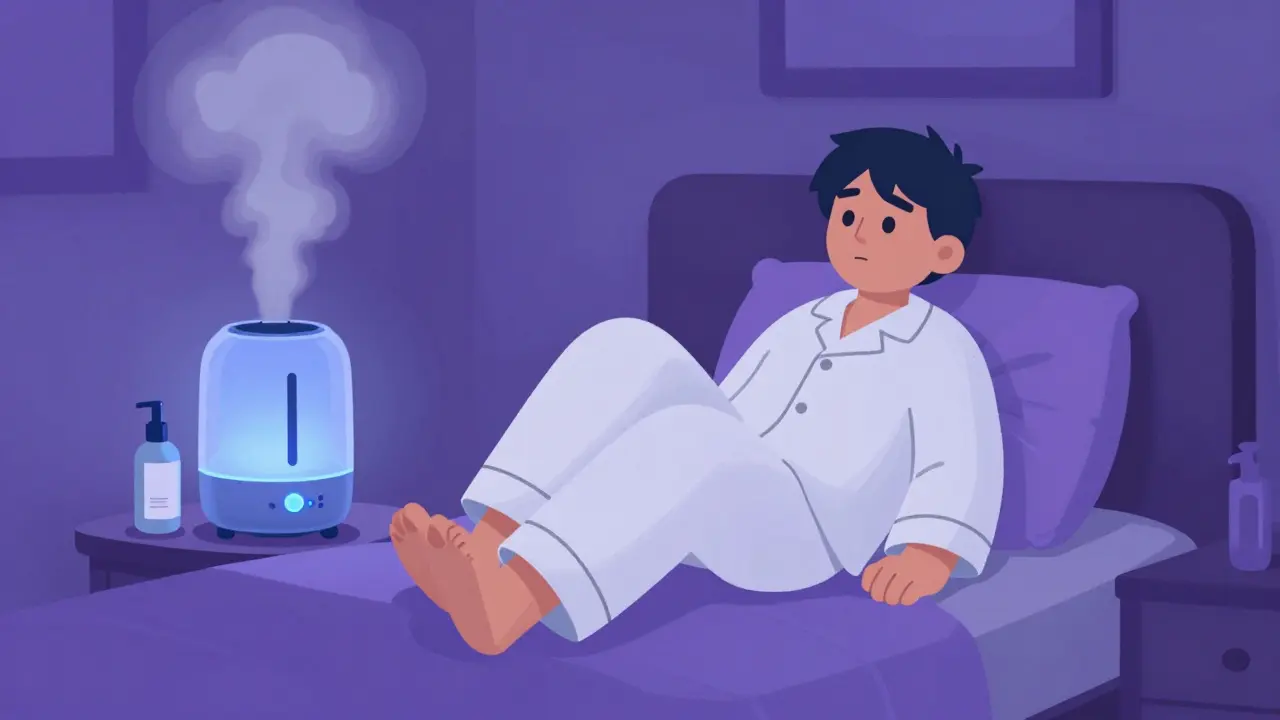
Your environment plays a huge role in how your skin behaves. If you live in a dry climate or spend all winter with the heater blasting, your KP will likely flare up. Using a humidifier in your bedroom to keep humidity levels around 40-50% can significantly decrease winter breakouts.
What you wear also matters. Tight, synthetic fabrics can rub against the follicles, causing irritation and making the bumps more inflamed. Opting for loose-fitting cotton clothing reduces this friction and allows your skin to breathe, which helps your topical treatments penetrate better.
Is Keratosis Pilaris the same as acne?
No. While they both look like small bumps, acne is caused by bacteria and oil (sebum) in the pores. KP is caused by a buildup of keratin protein. This is why acne medications like benzoyl peroxide usually don't work for KP, and why gentle exfoliation is preferred over anti-inflammatory acne treatments.
Will Keratosis Pilaris go away on its own?
For many people, yes. It often becomes more pronounced during the teenage years and then gradually improves or disappears entirely by age 30. However, for some adults, it persists and requires ongoing maintenance to keep the skin smooth.
Can I use a scrub to get rid of the bumps?
Physical scrubs are generally discouraged by dermatologists. Harsh scrubbing can irritate the skin and lead to inflammation or hyperpigmentation. Chemical exfoliants like lactic acid or salicylic acid are much safer and more effective because they dissolve the plug without damaging the skin barrier.
How long does it take to see results from treatments?
Patience is key. Most people see an improvement in skin texture after 4 to 6 weeks of consistent use. Some treatments, like retinoids, can take 3 to 6 months to show significant results. Consistency is more important than the strength of the product.
Does diet affect Keratosis Pilaris?
There is no scientific evidence suggesting that specific foods cause or cure KP. It is primarily a genetic and structural skin issue. While a healthy diet supports overall skin health, the most effective treatments remain topical exfoliants and moisturizers.