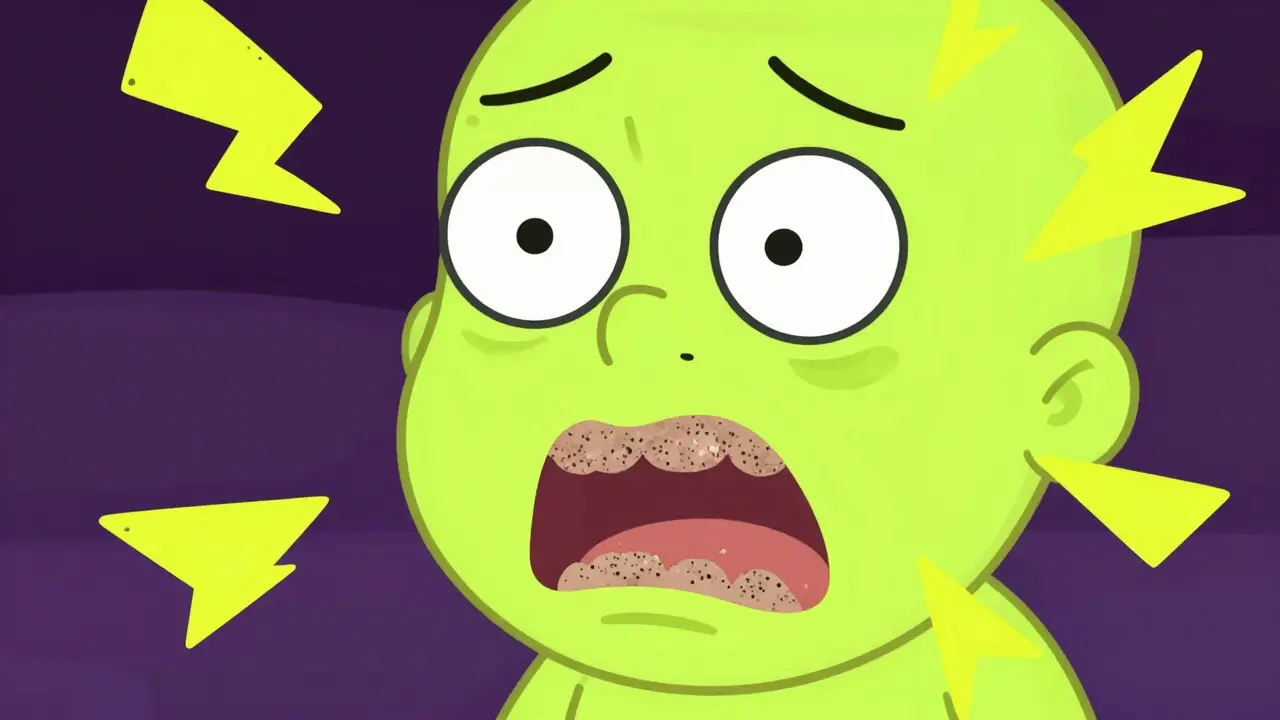
Waking up to find your mouth feels like it's been scrubbed with sandpaper is a nightmare, especially when you're already fighting a major health battle. If you're undergoing chemotherapy or radiation, these painful sores aren't just an annoyance-they can make eating, drinking, and even speaking feel impossible. The medical term for this is oral mucositis is an inflammatory reaction where the mucosal lining of the mouth is damaged by cytotoxic agents, leading to ulcers and inflammation. It's a common side effect, hitting anywhere from 20% to 100% of patients depending on the treatment.
The most important thing to understand is that treating these sores after they appear is much harder than stopping them from forming. Once the lining of your mouth is gone, you're dealing with open wounds in a high-bacteria environment. That's why the gold standard in care today is a "prevention-first" approach. By using specific rinses and techniques before your medication even hits your system, you can significantly lower your risk of severe ulcers.
Quick Tips for Immediate Relief
If you're currently struggling with sores, here are the fastest ways to manage the pain and protect your mouth:
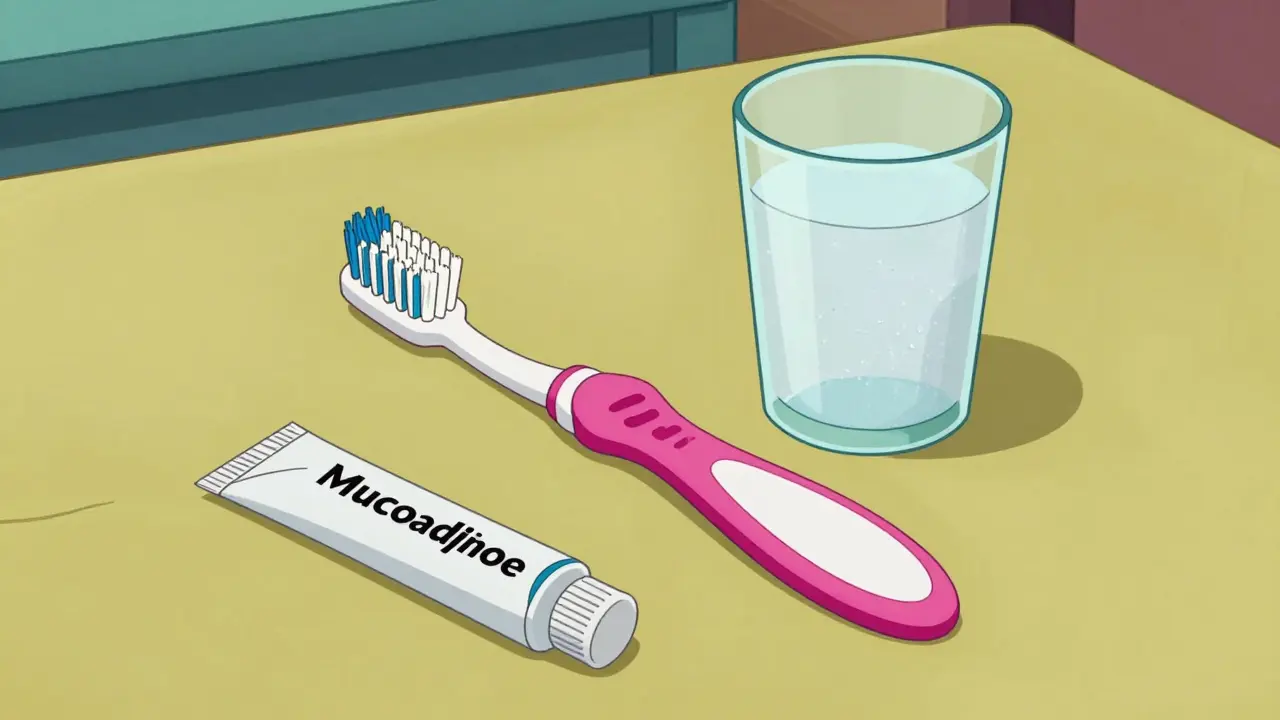
- Switch your toothbrush: Use a children's toothbrush or an extra-soft bristle brush (ideally ≤0.008-inch diameter) to avoid scratching the delicate tissue.
- Check your toothpaste: Toss any toothpaste containing sodium lauryl sulfate (SLS). This common foaming agent can irritate open sores and make them worse.
- Baking soda rinse: Mix 1 teaspoon of baking soda in 8 ounces of water. Swish and spit after meals to neutralize acid and keep the mouth clean.
- Use mucoadhesive gels: Products like Gelclair provide a physical barrier over the ulcer, offering pain relief for up to 4 hours.
Preventative Medications and Rinses
Not all mouthwashes are created equal. Some are designed to kill bacteria, while others actually protect the tissue from the medication's toxicity. Depending on your specific treatment, your doctor might suggest different options.
For those undergoing radiation, Benzydamine hydrochloride (0.15% mouthwash) is often the first choice. It's an anti-inflammatory that can reduce the chance of developing sores by about 34%. For the best results, start using it 3 to 4 times a day before your radiotherapy even begins. Just a heads-up: if you're allergic to aspirin, talk to your doctor first, as this medication has similar properties.
If you're dealing with high-dose chemotherapy or a stem cell transplant, you might be eligible for Palifermin. This is a growth factor given intravenously that helps your mouth lining regenerate. While it's incredibly effective-dropping the rate of severe mucositis from 63% to 20% in some cases-it is very expensive, which can make it hard to access without comprehensive insurance.
| Intervention | Best For | Effectiveness | Key Downside |
|---|---|---|---|
| Benzydamine | Radiotherapy | 34% reduction in incidence | Stinging on application |
| Palifermin | Stem Cell Transplant | High (reduces severe cases) | Very high cost |
| Cryotherapy | Specific Chemos (5-FU) | 50% reduction in severe cases | Cold sensitivity |
| Chlorhexidine | General Hygiene | Modest (15% risk reduction) | Taste changes/staining |
The Power of Cold: Cryotherapy
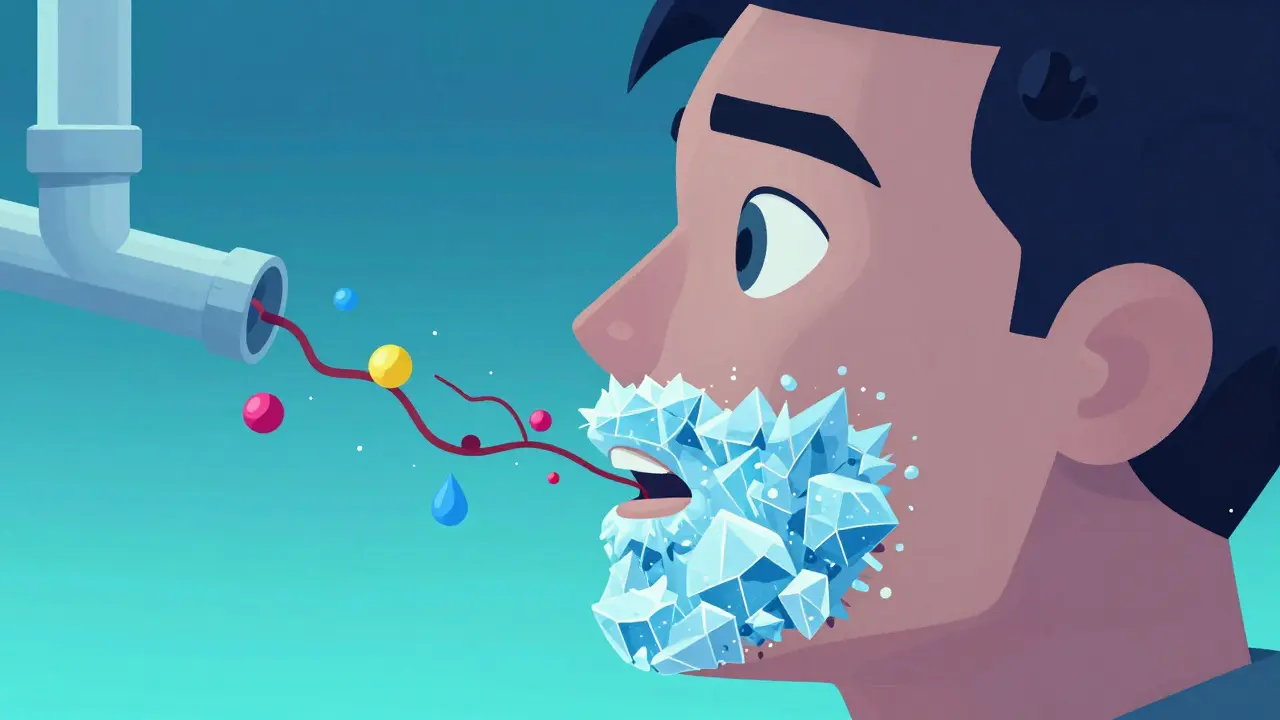
It sounds simple, but sucking on ice chips can be one of the most effective ways to prevent sores during certain chemotherapy infusions (like melphalan or 5-fluorouracil). This process, known as Cryotherapy, works by constricting blood vessels in the mouth, which prevents the medication from reaching the oral tissues in high concentrations.
Timing is everything here. You can't just have a cold drink; you need to suck on ice chips continuously for 30 minutes, starting exactly 5 minutes before the infusion begins. While many patients find this helpful, some struggle with extreme cold sensitivity, so it's a bit of a trade-off. Note that this only works for short-infusion regimens; it doesn't do much for continuous infusions.
Dealing with Dry Mouth and Secondary Issues
Mouth sores are often made worse by Xerostomia, or dry mouth. When you don't have enough saliva, your mouth loses its natural lubrication and protection, making the tissue more prone to breaking down. This is particularly common in head and neck radiation patients.
To fight this, you can use artificial saliva products like Biotene to keep the tissues moist. In more severe cases, doctors may prescribe pilocarpine tablets, which can increase salivary flow by nearly 50%. Keeping the mouth moist isn't just about comfort; it's a critical part of preventing the sores from becoming infected.
One common mistake is over-using Chlorhexidine gluconate. While it's a powerful antibacterial, it only offers modest prevention and can actually stain your teeth or cause a weird metallic taste in your mouth. It's better used as a tool for hygiene rather than a primary shield against mucositis.
Long-Term Care and Future Treatments
If you are just starting your treatment journey, get a full dental check-up 2 to 4 weeks before your first dose. Fixing a loose crown or treating a cavity now can prevent a major infection later when your immune system is low. Many severe cases of mouth sores are actually triggered by pre-existing dental issues that could have been solved easily.
Looking ahead, science is moving toward more personalized care. Researchers are testing low-level laser therapy (LLLT) and new drugs like GC4419 that mimic the body's own antioxidant enzymes to protect cells. There are even risk-prediction tools being developed that can tell doctors which patients are most likely to get sores, allowing them to start the strong preventative medications early.
Why do some medications cause mouth sores?
Certain medications, especially cytotoxic chemotherapy drugs, don't just target cancer cells; they also affect rapidly dividing healthy cells. The cells lining your mouth divide quickly, making them a primary target. When these cells are destroyed faster than they can be replaced, the protective lining breaks down, leaving open ulcers.
Is it safe to use alcohol-based mouthwash for mouth sores?
No, you should strictly avoid alcohol-based mouthwashes. Alcohol is a drying agent that can further irritate the sores and slow down the healing process. Stick to saline (salt water) or baking soda rinses unless your doctor prescribes a specific medicated rinse.
How long do medication-induced ulcers usually last?
The duration varies, but they typically peak during or shortly after the medication cycle. With proper preventative care, like using glutamine or benzydamine, some studies show the duration of these sores can be reduced by over 40%.
Can I use over-the-counter numbing gels?
Many people use them, but be cautious. Products containing benzocaine are generally fine for adults, but they are discouraged for very young children due to risk of methemoglobinemia. Always check with your oncologist to ensure the gel won't interfere with your specific treatment.
What should I eat if my mouth is too sore to chew?
Focus on soft, cool, or room-temperature foods. Think smoothies, yogurt, mashed potatoes, and lukewarm soups. Avoid anything spicy, acidic (like orange juice), or crunchy (like toast), as these will act like sandpaper on your ulcers.
Next Steps for Patients
If you're about to start a new medication regimen, don't wait for the sores to appear before asking for help. Schedule a dental cleaning immediately. Once you begin treatment, keep a daily log of your oral symptoms-note when the stinging starts and which foods are the hardest to eat. This helps your medical team adjust your rinses or dosages in real-time. If you notice a fever along with your mouth sores, contact your care team immediately, as this can be a sign that the ulcers have led to a systemic infection.
The advice about SLS-free toothpaste is a game changer. A lot of people don't realize that the foaming agent is basically just rubbing salt in the wound when you've got mucositis. I've seen plenty of patients feel better just by switching to a sensitive or natural brand that skips the sulfates.
It is fundamentally naive to suggest that a simple baking soda rinse constitutes a comprehensive strategy. One must understand that the biochemical degradation of the mucosal lining is a systemic failure, not a surface-level inconvenience. While the provided tips are superficially helpful, they lack the intellectual rigor required to address the underlying cellular pathology of cytotoxic-induced damage.
Oh sure, just suck on some ice chips and everything will be sunshine and rainbows while your meds are nuking your cells. Pure magic.
you might also try using a salt water rinse if you dont have baking soda on hand it helps keep the area clean and is pretty gentle on the sores
Typical pharmaceutical propaganda. They tell you to use expensive "growth factors" like Palifermin while ignoring the fact that these "side effects" are often designed to keep you dependent on the healthcare system. I bet the big labs are laughing all the way to the bank while we're told to just use a children's toothbrush. It's all a controlled narrative to hide the real toxicity of these compounds.
Imagine thinking a dental cleaning two weeks before chemo is actually going to save you from a mouth full of ulcers. Cute.
I really want to encourage everyone reading this to stay strong and keep your spirits high because the journey through treatment is so incredibly taxing on the soul and the body, but remember that taking these small steps like the baking soda rinse or choosing the right toothbrush can actually make a world of difference in your daily comfort levels, so please be gentle with yourselves and lean on your support systems whenever things feel too heavy to carry alone.
Omg yes!!! The children's toothbrush is such a life saver!!!! 💖 it's literally the only way to not feel like you're sanding your gums!!!! 😭✨
too long. just use the gel.
Imagine having a healthcare system so mediocre that you have to read a blog post to figure out how to not have your mouth melt off. Truly a pinnacle of modern achievement right here. I'll stick to my American ingenuity and maybe just rinse with some high-grade distilled water and pretend the 'science' isn't just guesswork with a fancy label.
The formatting of the comparison table is dreadfully simplistic, and the assertion that cryotherapy is effective is likely an overstatement based on skewed data. It's quite tedious to see such optimistic projections in a medical context.
You all have to keep fighting and stay positive because the human body is an incredible machine capable of recovering from the toughest battles if you just keep pushing forward with every single day and every single rinse and every single meal even if it's just a smoothie because the victory at the end is worth every bit of the struggle and you are all warriors in your own right for dealing with this!
Stop complaining about the cost of Palifermin and start demanding that your insurance providers cover it immediately because patient health should always come before corporate profits and we need to be more aggressive in fighting for the standard of care that actually works for everyone regardless of their bank account balance!