
More than 8 million adults in the U.S. live with ADHD. For many, it’s not just about forgetting where they put their keys or missing deadlines. It’s about feeling stuck in a cycle of chaos-missed appointments, unpaid bills, overwhelmed workdays, and the constant frustration of knowing you’re capable of more but can’t seem to get started. The good news? ADHD in adults isn’t a life sentence of disorganization. With the right mix of medication, coaching, and practical organization tools, many people find a way forward that actually works.
Medication: The Foundation, Not the Fix
When people think of ADHD treatment, they often jump straight to pills. And for good reason: stimulant medications like Vyvanse, Concerta, and Adderall help 70-80% of adults significantly reduce symptoms. These drugs don’t make you hyper-focused on everything. They help you focus on what matters. That means you can finally sit through a meeting, finish a report, or pay your taxes without feeling like your brain is running on low battery.
Stimulants work fast-usually within 30 to 60 minutes. Non-stimulants like atomoxetine take longer, often 1-2 weeks to show results, but they’re a solid option for people who can’t tolerate stimulants or have heart concerns. Generic methylphenidate costs as little as $10-$30 a month with insurance. Branded versions like Vyvanse can run $350-$450 without it. That’s expensive, yes. But for many, the cost of not treating ADHD-lost jobs, strained relationships, chronic stress-is higher.
Here’s the catch: medication isn’t magic. It doesn’t teach you how to organize your life. It just gives you the mental clarity to learn.
Medication Safety: What You Need to Know
ADHD meds are generally safe when used correctly. But they’re not risk-free. Stimulants can raise blood pressure and heart rate. A 2023 study in JAMA Psychiatry found each extra year of stimulant use slightly increases cardiovascular disease risk-about 4% per year. That doesn’t mean stop taking them. It means monitor them.
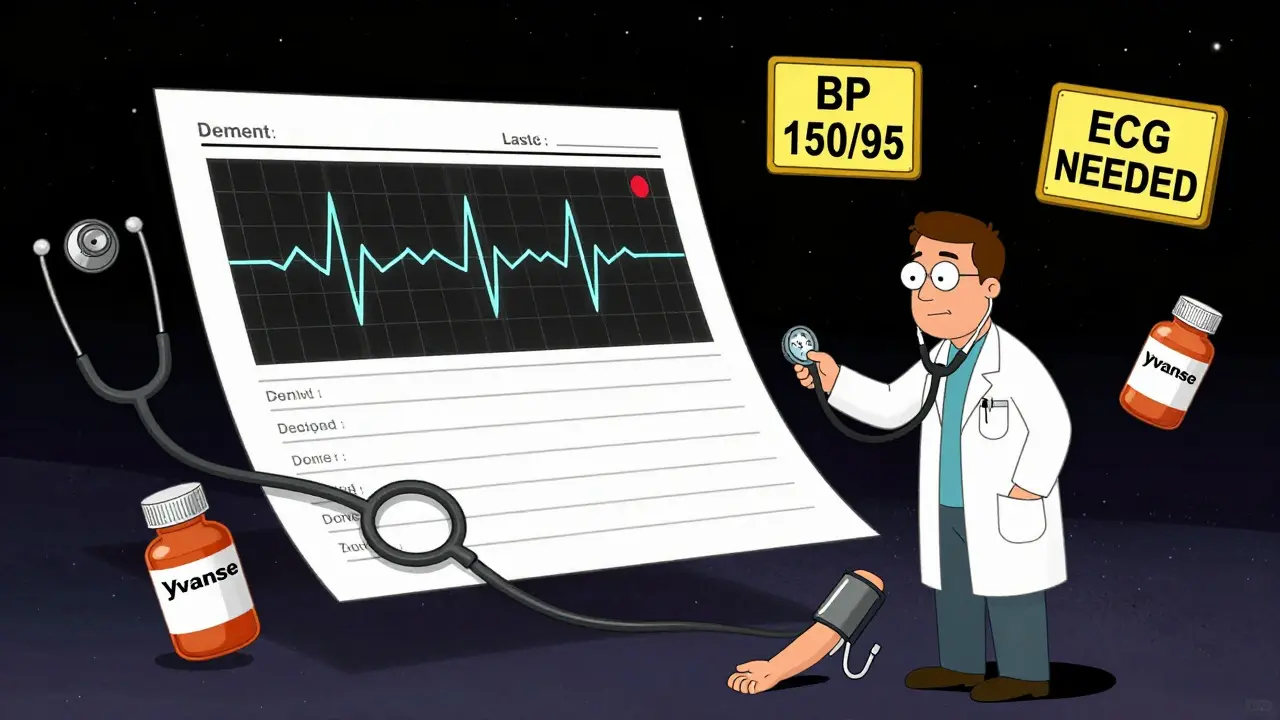
Before starting medication, you need a baseline check: blood pressure, heart rate, and possibly an ECG if you’re over 40. Then, follow-up every month until things stabilize. After that, at least every 3-6 months. Too many people get prescribed ADHD meds by their primary care doctor and never see them again. One Reddit user shared: “My BP went from 120/80 to 150/95 on Vyvanse. No one checked it for two years.” That’s not care-that’s negligence.
Non-stimulants like atomoxetine are gentler on the heart, with no proven increase in hypertension risk. But they can cause nausea, fatigue, or liver issues. Always report unusual symptoms. And never mix ADHD meds with MAO inhibitors. That combo can be deadly.
The FDA reviewed data from over 150,000 adult users and found no increased risk of serious heart events during active use. In fact, a 2024 study in Nature Mental Health showed people on ADHD meds had a 39% lower risk of dying from any cause. Why? Because better focus means fewer car crashes, fewer missed medications, fewer impulsive decisions that spiral out of control.
Coaching: The Missing Piece
Medication helps you think clearly. Coaching helps you act on it.
ADHD coaches aren’t therapists. They don’t dig into childhood trauma. They’re practical guides who help you build systems. Think of them as personal trainers for your brain. A good coach will help you set up a daily routine, use a planner that actually sticks, break down big tasks into tiny steps, and figure out what distracts you-and how to block it.
One study from the ADHD Coaches Organization found that 81% of adults who used coaching along with medication saw major improvements in time management. Only 58% improved with medication alone. Why? Because meds give you focus. Coaching gives you structure.
Most coaches use proven tools: the Eisenhower Matrix (urgent vs. important tasks), time blocking, and digital reminders synced across devices. They don’t care if you use a paper notebook or an app called Notion. They care if you show up to your own life.
Coaching costs $80-$150 per session. Some insurance plans cover it. CHADD (Children and Adults with ADHD) offers free workshops in 250+ U.S. locations. You don’t need to be rich to get help.
Organization: Building Systems That Stick
You can’t just “try harder.” That’s like telling someone with a broken leg to walk faster. You need tools.
Start with the basics:
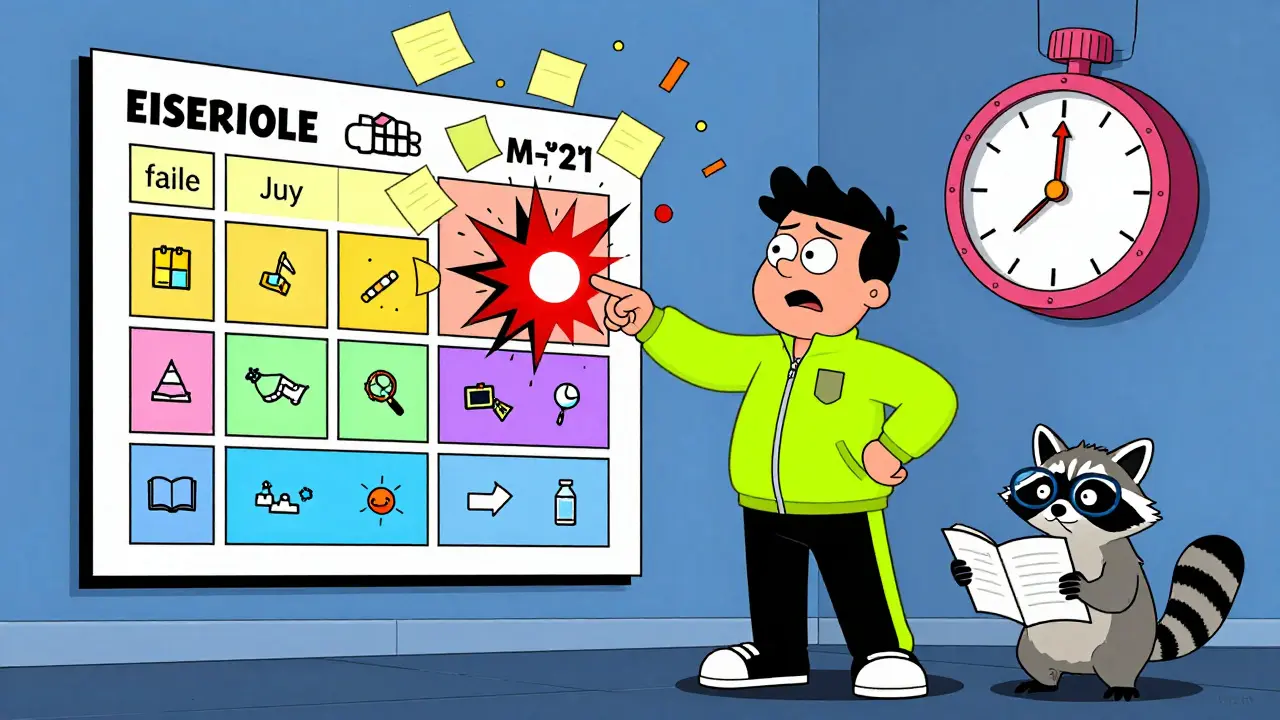
- One place for everything. Use a single calendar (Google or Apple) for all appointments, deadlines, and reminders. Sync it to your phone and computer.
- Break tasks into micro-steps. Instead of “clean the house,” write: “1. Pick up clothes from floor. 2. Put them in laundry basket. 3. Start washer.”
- Use timers. The Pomodoro Technique (25 minutes work, 5 minutes break) works wonders for ADHD brains. Set a timer. Work. Stop. Repeat.
- Design your environment. Keep your desk clear. Put essentials in visible spots. Use sticky notes on your mirror. Out of sight = out of mind.
One woman in Miami told me: “I used to lose my keys, my wallet, my phone. Now I have a hook by the door. Everything goes there. I haven’t been late to work in 11 months.” It’s not complicated. It’s consistent.
The Big Picture: It’s Not About Perfection
ADHD isn’t cured. It’s managed. Some days you’ll nail it. Other days, you’ll forget to eat lunch. That’s okay. Progress isn’t linear. The goal isn’t to become a productivity robot. It’s to live with less shame, fewer meltdowns, and more control.
Studies show adults with properly treated ADHD report 30-50% fewer symptoms. They’re more likely to keep their jobs, stay in relationships, and avoid emergency rooms. They sleep better. They feel less anxious. Their kids notice.
And here’s the truth: most people who succeed don’t do it alone. They use medication to clear the fog. Coaching to build the map. Organization to follow the path.
What Doesn’t Work
- Trying to “just be more disciplined.” Discipline is a skill, not a personality trait. And ADHD brains don’t build it the same way.
- Relying on willpower. Willpower is a finite resource. ADHD drains it fast.
- Waiting until you’re “ready.” There’s no magical moment when everything clicks. You build the system, and the clarity follows.
- Ignoring your doctor. If your BP spikes, your heart races, or you feel dizzy-speak up. Your safety matters more than your productivity.
Where to Start Today
You don’t need to overhaul your life. Start with one thing:
- Download a free calendar app if you haven’t already.
- Set one recurring reminder: “Take meds” at the same time every day.
- Write down one task you’ve been avoiding. Break it into two steps.
- Call CHADD (800-233-4050) and ask about local workshops.
- Ask your doctor: “Can we check my blood pressure before starting medication?”
Small steps. Consistent action. That’s how change happens.
Can ADHD be managed without medication?
Yes, but it’s harder. Many adults manage symptoms with coaching, organizational tools, therapy, and lifestyle changes like sleep, exercise, and diet. However, research shows that combining medication with coaching leads to the best outcomes-especially for those with moderate to severe symptoms. Medication isn’t required, but for many, it’s the missing piece that makes other strategies work.
Is ADHD coaching worth the cost?
For most adults, yes. Coaching typically costs $80-$150 per session. But consider this: if you’re losing $500 a month in late fees, missed opportunities, or job instability, coaching pays for itself in weeks. The ADHD Coaches Organization reports 81% of clients using coaching with medication saw major improvements in time management. That’s not just productivity-that’s peace of mind.
What’s the safest ADHD medication for adults?
There’s no single “safest” option-it depends on your health. Non-stimulants like atomoxetine (Strattera) or guanfacine (Intuniv) have fewer cardiovascular risks and are often recommended for people with high blood pressure or heart conditions. Stimulants like Vyvanse have a lower abuse risk than older amphetamines and are still the most effective for most people. The key isn’t the drug-it’s proper monitoring. Always get baseline vitals and regular check-ups.
How long does it take to see results from ADHD treatment?
Medication usually shows effects in 30-60 minutes, but finding the right dose takes 4-8 weeks. Coaching improvements often show up within 2-4 weeks as you start using new tools. Full stability-where systems stick and symptoms are under control-typically takes 3-6 months. Some people need up to a year. Patience is part of the process.
Can ADHD meds cause long-term damage?
Long-term studies are still ongoing, but current evidence suggests that with proper monitoring, the benefits outweigh the risks. A 2024 Nature study found people on ADHD meds had lower rates of death and injury. The biggest concern is cardiovascular strain over many years, especially in people over 50. That’s why annual blood pressure checks and heart screenings are critical. Never skip monitoring just because you feel fine.
What should I ask my doctor before starting ADHD medication?
Ask: 1) Can we check my blood pressure and heart rate before I start? 2) Do I need an ECG if I’m over 40? 3) What side effects should I watch for? 4) How often should I come back? 5) Are there any interactions with my other meds? If your doctor doesn’t ask these questions, find someone who will. You deserve careful, personalized care.