TIA Warning Signs: What You Need to Know Before It's Too Late
A transient ischemic attack, a temporary blockage of blood flow to the brain that mimics stroke symptoms but doesn’t cause permanent damage. Also known as a mini-stroke, it’s your body’s clearest warning that a full stroke could be coming soon. About 1 in 3 people who have a TIA will eventually have a stroke—often within a year. That’s not a remote risk. It’s a countdown.
What do TIA warning signs actually look like? They’re not subtle. Sudden numbness or weakness on one side of your face, arm, or leg. Trouble speaking—words come out slurred or you can’t find them. Vision going dark in one eye, like a curtain pulling down. Dizziness so bad you can’t stand. These aren’t just "feeling off." They’re neurological alarms. And they usually last less than an hour, often under 10 minutes. That’s why so many people ignore them. "It went away," they say. But if it came back, it’s not gone. It’s just waiting.
Time matters more than anything. Every minute a TIA goes untreated, brain cells die. The longer you wait, the higher your chance of a major stroke. Studies show that 10% of people who have a TIA will have a stroke within 48 hours. That’s why emergency rooms treat TIAs like heart attacks—because they are. You don’t need to wait for symptoms to return. If you see them, call 911. Don’t drive yourself. Don’t wait to see if it gets worse. Get help now.
Some people think TIAs only happen to older adults. Not true. They’re rising fast in people under 55, especially with rising rates of high blood pressure, diabetes, and obesity. And women? They’re more likely to have silent TIAs and delay seeking care. If you’ve had migraines with aura, high cholesterol, or atrial fibrillation, your risk is higher. You don’t need to be frail or elderly to be in danger.
What comes after a TIA? Tests. Blood work. Brain scans. Heart monitors. Doctors don’t just give you a pill and send you home. They look for the root cause—clots, artery blockages, irregular heart rhythms. And they act fast. Blood thinners. Cholesterol meds. Lifestyle changes. Sometimes surgery. The goal isn’t just to treat the past TIA. It’s to stop the next one before it starts.
There’s no magic cure. No supplement that replaces a doctor’s plan. But there’s plenty you can do. Control your blood pressure. Quit smoking. Move daily. Eat real food—not processed junk. These aren’t suggestions. They’re survival tools. And if you’ve had one TIA, you’re now in the highest-risk group. That means you need to be more careful than most people think.
Below, you’ll find real, practical advice from people who’ve been there. Stories about spotting symptoms, surviving the aftermath, and learning what works—whether it’s managing medications, understanding imaging results, or knowing when to push for more answers. This isn’t theory. It’s what happens after the alarm sounds.
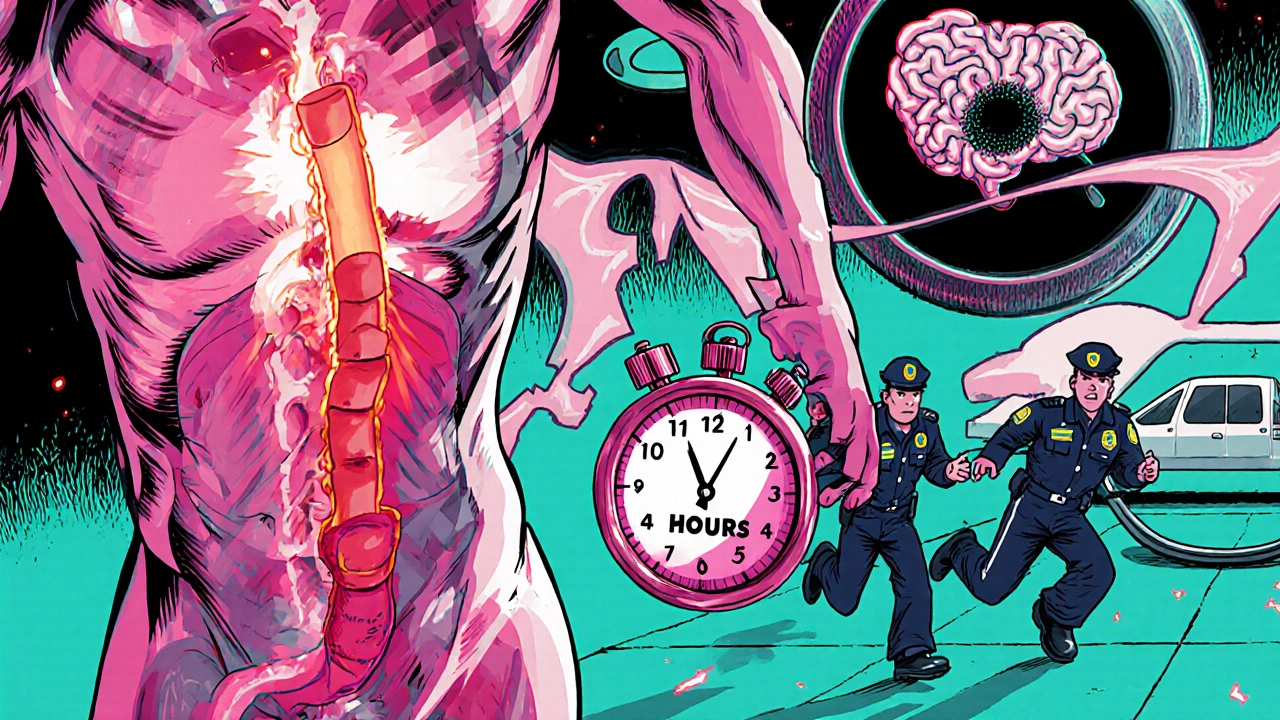
TIA vs. Stroke: Recognizing the Warning Signs and Why Immediate Action Saves Lives
TIA and stroke share the same warning signs, but TIA is a critical warning that a major stroke is coming. Learn how to recognize the symptoms and why immediate medical care-even if symptoms disappear-is essential to prevent permanent damage.