Brain Attack: What It Is, How It Happens, and What You Need to Know
When people say brain attack, a sudden disruption of blood flow to the brain that causes neurological damage. Also known as stroke, it is a medical emergency that demands immediate action. It’s not a metaphor—it’s a real, life-threatening event that happens every 40 seconds in the U.S. alone. And while the term "brain attack" isn’t used in every hospital, it’s becoming more common because it helps people understand: this isn’t just a "stroke." It’s an attack on your brain, and every minute counts.
There are two main types of brain attacks. The first is ischemic stroke, when a clot blocks an artery feeding the brain. This makes up about 87% of all cases. The second is hemorrhagic stroke, when a blood vessel bursts inside the brain. Less common but more deadly, it’s often linked to high blood pressure or aneurysms. Then there’s the transient ischemic attack, a temporary blockage that clears on its own. Also called a mini-stroke, it’s a warning sign—about 1 in 3 people who have one will suffer a full stroke within a year if nothing changes. These aren’t just medical terms. They’re warning signals your body sends you, and ignoring them can cost you your independence—or your life.
What do these brain attacks look like? Sudden numbness on one side of your face, arm, or leg. Trouble speaking or understanding speech. Blurry or double vision. A headache that hits like a thunderclap—no warning, no reason. These aren’t normal aging symptoms. They’re red flags. And the faster you act, the better your chances. Clot-busting drugs work best within 90 minutes. Delay by even an hour, and brain cells die by the millions.
Why does this matter now? Because more people are surviving strokes than ever before—but many live with lasting damage. The good news? Prevention works. Controlling blood pressure, quitting smoking, managing diabetes, and staying active can slash your risk by up to 80%. You don’t need a medical degree to recognize the signs. You just need to know them.
Below, you’ll find real, practical posts that break down what causes these events, how medications help or hurt, what to do if someone’s having one, and how to reduce your risk without relying on guesswork. No fluff. No jargon. Just what you need to protect yourself and your loved ones.
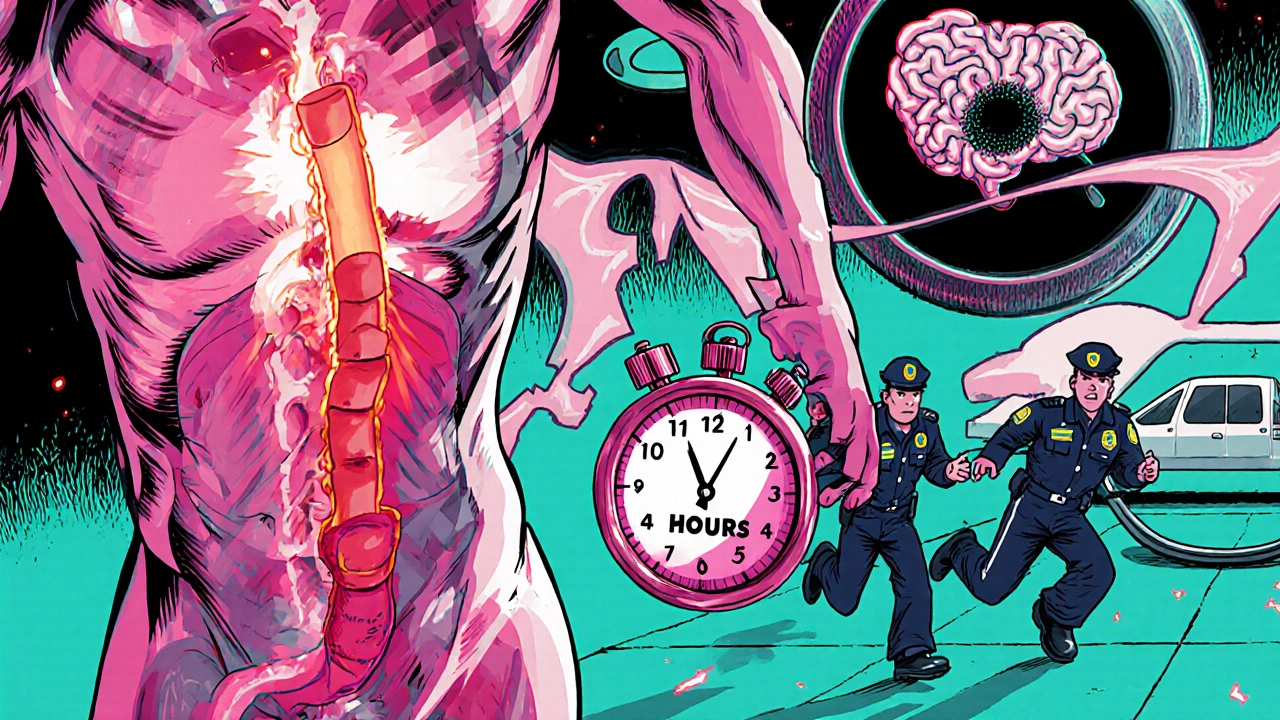
TIA vs. Stroke: Recognizing the Warning Signs and Why Immediate Action Saves Lives
TIA and stroke share the same warning signs, but TIA is a critical warning that a major stroke is coming. Learn how to recognize the symptoms and why immediate medical care-even if symptoms disappear-is essential to prevent permanent damage.