API Production: How Generic Drugs Are Made and Why It Matters
When you pick up a generic pill at the pharmacy, the real story starts long before it reaches your hands—with API production, the process of creating the active ingredient that makes a drug work. Also known as active pharmaceutical ingredient, this is the core chemical that treats your condition, whether it’s lowering blood pressure, fighting infection, or managing depression. Without API production, there are no medicines—just empty capsules. And while big brands get the headlines, most of the world’s pills come from a handful of factories where API production is tightly controlled, often in countries like India and China.
Every generic drug you buy depends on this step. The active pharmaceutical ingredient, the substance that delivers the therapeutic effect is made first, then mixed with fillers, binders, and coatings to form the final tablet or capsule. This isn’t magic—it’s chemistry, engineering, and strict quality checks. The FDA and other global regulators require these APIs to match brand-name drugs in strength, purity, and how fast they’re absorbed. But here’s the catch: not all API producers are equal. Some factories have FDA approval, others don’t. And when a plant fails inspection, it can cause shortages that ripple across hospitals and pharmacies.
API production is also why generic drugs cost so much less. Brand-name companies spend billions on research and patents. Once those expire, other manufacturers can copy the API using the same science—but without the R&D costs. That’s why Indian companies, with over 650 FDA-approved plants, supply more than 20% of the world’s generic medicines. They don’t just make pills—they make healthcare affordable for millions. But this system isn’t perfect. Patent thickets, regulatory delays, and supply chain issues can block new generics from reaching shelves for years, even after a patent expires.
Behind every post about statins, insulin, or antidepressants on this site is API production. The safety of citalopram, the effectiveness of tirzepatide, the availability of Prograf—all depend on how well that active ingredient is made. If the API is impure, the whole drug fails. If it’s made in a facility with poor controls, patients risk side effects or no relief at all. That’s why we look at where drugs come from, not just what they do.
What you’ll find below are real stories about how this system works—and sometimes, how it breaks. From the rise of Indian generics to the hidden delays in getting affordable meds, these articles connect the dots between chemistry, policy, and your medicine cabinet. You’re not just reading about drugs—you’re reading about the invisible process that makes them possible.
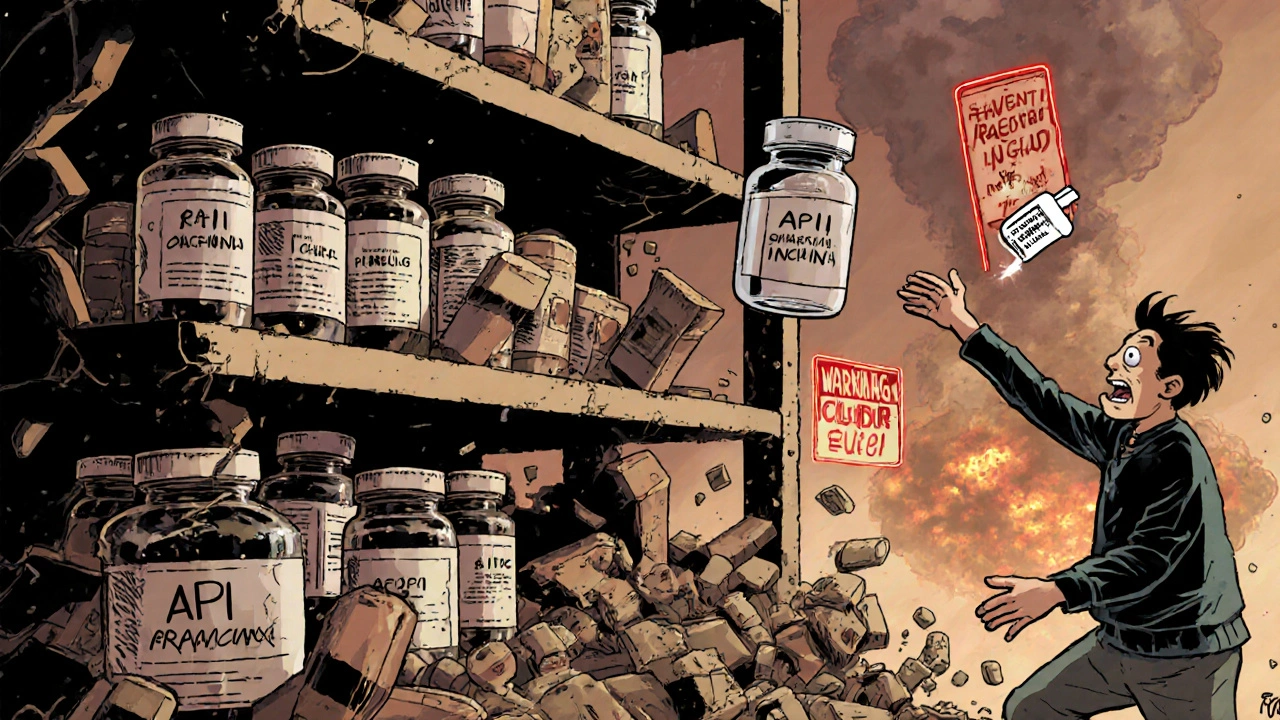
Preventive Measures for Building Resilient Pharmaceutical Supply Chains
Drug shortages are rising due to fragile global supply chains. Learn how pharmaceutical companies are using AI, regional manufacturing, and buffer stock to build resilience and prevent future crises.